


As a supplier of hydraulic flanges, I often encounter inquiries from customers about the compatibility of hydraulic flanges with different types of pipes. This is a crucial question, as the proper combination of flanges and pipes is essential for the efficient and safe operation of hydraulic systems. In this blog post, I will explore the factors that determine whether hydraulic flanges can be used with different types of pipes and provide some insights based on my experience in the industry.
Understanding Hydraulic Flanges
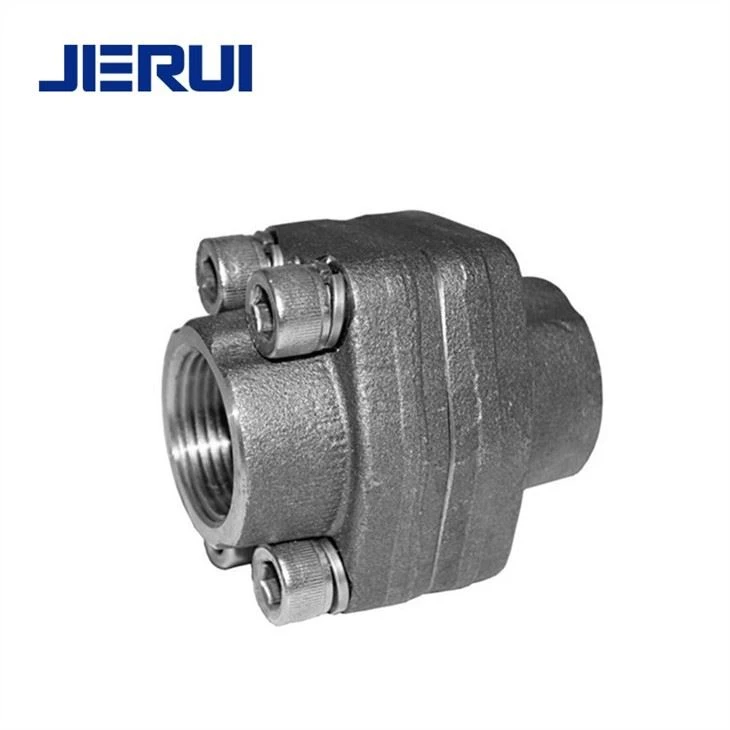
Before delving into the compatibility issue, it's important to have a basic understanding of hydraulic flanges. Hydraulic flanges are mechanical components used to connect pipes, valves, pumps, and other equipment in hydraulic systems. They provide a secure and leak - free connection, allowing the transfer of hydraulic fluid under high pressure. There are several types of hydraulic flanges available in the market, each with its own design, dimensions, and connection methods. Some common types include ISO 6164 Square Flange, SAE Threaded Flange, and SAE Metric Threaded Flange.
Factors Affecting Compatibility
1. Pipe Material
The material of the pipe is a primary factor in determining compatibility with hydraulic flanges. Common pipe materials include steel, stainless steel, copper, and plastic. Steel pipes are widely used in hydraulic systems due to their high strength and durability. Most hydraulic flanges are designed to be compatible with steel pipes, as they can withstand the high pressures and mechanical stresses in hydraulic applications.
Stainless steel pipes are often used in corrosive environments. When using stainless steel pipes, it's important to ensure that the hydraulic flange is also made of stainless steel or a compatible material to prevent galvanic corrosion. Galvanic corrosion can occur when two different metals are in contact in the presence of an electrolyte, such as hydraulic fluid, and can lead to premature failure of the connection.
Copper pipes are less common in high - pressure hydraulic systems but are sometimes used in low - pressure applications. Hydraulic flanges for copper pipes need to have a proper sealing mechanism to prevent leakage, as copper is a relatively soft material compared to steel.
Plastic pipes, such as PVC or PTFE, are used in some specialized hydraulic applications, especially where weight reduction or chemical resistance is required. However, not all hydraulic flanges are suitable for plastic pipes. Specialized flanges with appropriate sealing and clamping mechanisms are needed to ensure a secure connection without damaging the plastic pipe.
2. Pipe Size and Dimension
The size and dimension of the pipe are critical for a proper fit with the hydraulic flange. Hydraulic flanges are available in a range of sizes to match different pipe diameters. The inner diameter of the flange must match the outer diameter of the pipe, and the bolt holes and sealing surfaces must align correctly.
In addition to the diameter, the wall thickness of the pipe also matters. Thicker - walled pipes may require flanges with a different design or higher clamping force to ensure a tight and secure connection. Incorrect sizing can lead to leakage, reduced flow capacity, and even structural failure of the connection.

3. Pressure Rating
The pressure rating of the hydraulic system is another important consideration. Hydraulic flanges are designed to withstand specific pressure levels, and the pipe must also be able to handle the same pressure. The pressure rating of the flange and the pipe should be compatible to ensure the safety and reliability of the hydraulic system.
For high - pressure applications, flanges with thicker walls, stronger materials, and more robust sealing mechanisms are required. Using a flange with a lower pressure rating than the pipe can lead to flange failure, while using a pipe with a lower pressure rating than the flange can cause the pipe to burst.
4. Sealing Requirements
A proper seal between the flange and the pipe is essential to prevent hydraulic fluid leakage. Different types of pipes may require different sealing methods. For example, steel pipes often use gasket seals, which are placed between the flange faces to create a tight seal. The gasket material must be compatible with the hydraulic fluid and the pipe material.
Some flanges use O - rings or other elastomeric seals. These seals are effective in preventing leakage but need to be selected carefully based on the pipe material and the operating conditions of the hydraulic system. For plastic pipes, special sealing techniques may be required to avoid damaging the pipe while maintaining a good seal.
Compatibility Examples
1. ISO 6164 Square Flange
The ISO 6164 Square Flange is a popular type of hydraulic flange used in many industrial applications. It is typically designed for use with steel pipes in high - pressure hydraulic systems. These flanges are known for their high strength and reliable sealing performance. They are compatible with a wide range of steel pipe sizes and can withstand pressures up to several thousand psi.
When using an ISO 6164 Square Flange with a stainless steel pipe, it's important to choose a flange made of stainless steel or a material that is resistant to galvanic corrosion. This ensures the long - term integrity of the connection in corrosive environments.
2. SAE Threaded Flange
SAE Threaded Flanges are commonly used in hydraulic systems with threaded pipes. They are available in both imperial and metric sizes and can be used with a variety of pipe materials, including steel and stainless steel. The threaded connection provides a relatively easy and secure way to attach the flange to the pipe.
However, when using SAE Threaded Flanges with plastic pipes, caution must be taken to avoid over - tightening the threads, which can damage the plastic. Specialized threaded flanges for plastic pipes may have a softer thread profile or additional features to prevent damage.
3. SAE Metric Threaded Flange
SAE Metric Threaded Flanges are similar to SAE Threaded Flanges but are designed for metric - sized pipes. They are widely used in international hydraulic systems, where metric measurements are standard. These flanges are compatible with metric - sized steel and stainless steel pipes and offer good sealing performance at various pressure levels.
Conclusion
In conclusion, hydraulic flanges can be used with different types of pipes, but careful consideration of the pipe material, size, pressure rating, and sealing requirements is necessary. As a hydraulic flange supplier, I can offer a wide range of flanges to meet the diverse needs of different hydraulic systems. By understanding the specific requirements of your application and choosing the right combination of flange and pipe, you can ensure the efficient, safe, and reliable operation of your hydraulic system.
If you are in need of hydraulic flanges for your project or have any questions about flange - pipe compatibility, I encourage you to contact me for further discussion and to explore our product offerings. We can work together to find the best solution for your hydraulic system.
References
- "Hydraulic System Design Handbook" by Rexroth
- "Fluid Power Technology" by Oberg, Jones, and Horton
- Industry standards such as ISO 6164 and SAE specifications.