


Can Plug Stainless plugs be used in chemical - resistant applications?
In the world of industrial applications, the choice of components is crucial, especially when it comes to dealing with chemicals. As a supplier of Plug Stainless products, I often encounter questions from customers about the suitability of our plugs in chemical - resistant applications. In this blog post, I will delve into this topic, exploring the properties of Plug Stainless plugs and their performance in chemical environments.
Understanding Plug Stainless Plugs
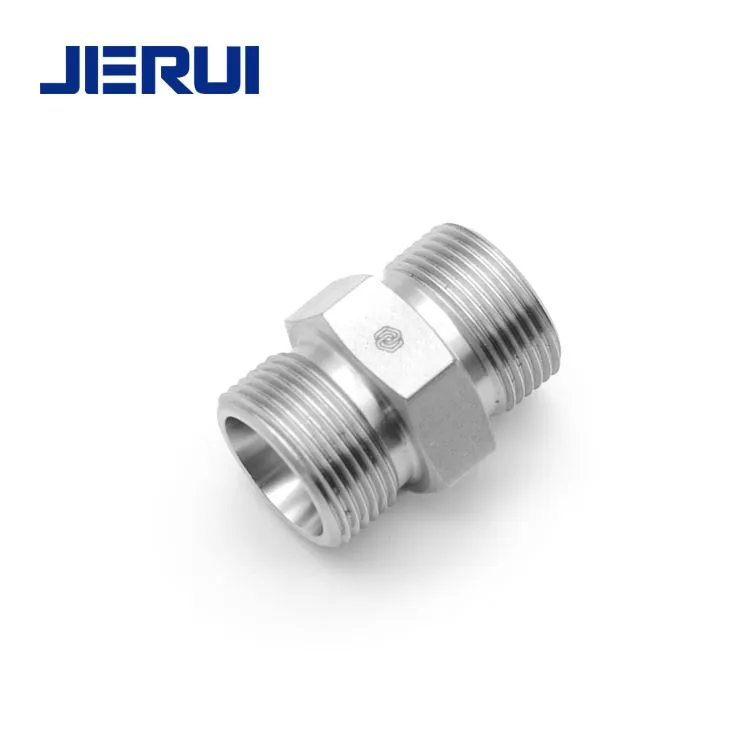
Plug Stainless plugs are made from high - quality stainless steel. Stainless steel is an alloy primarily composed of iron, chromium, and often contains other elements such as nickel, molybdenum, and titanium. The addition of chromium is what gives stainless steel its corrosion - resistant properties. When exposed to oxygen, a thin layer of chromium oxide forms on the surface of the stainless steel, which acts as a protective barrier against further oxidation and corrosion.
There are different grades of stainless steel used in the manufacturing of Plug Stainless plugs. Common grades include 304 and 316. Grade 304 stainless steel contains approximately 18% chromium and 8% nickel. It is widely used in general - purpose applications due to its good corrosion resistance and relatively low cost. Grade 316 stainless steel, on the other hand, contains an additional 2 - 3% molybdenum. This addition significantly enhances its resistance to pitting and crevice corrosion, making it more suitable for harsh chemical environments.

Chemical Resistance of Plug Stainless Plugs
The chemical resistance of Plug Stainless plugs depends on several factors, including the type of chemicals they are exposed to, the concentration of the chemicals, the temperature, and the duration of exposure.
Acids:
- Dilute hydrochloric acid: Grade 304 stainless steel may experience some corrosion in dilute hydrochloric acid solutions, especially at elevated temperatures. However, grade 316 stainless steel shows better resistance. For low - concentration hydrochloric acid at room temperature, Plug Stainless plugs made of 316 stainless steel can be used for a certain period. But in high - concentration or hot hydrochloric acid, even 316 stainless steel may not provide long - term protection.
- Sulfuric acid: In general, 304 stainless steel has limited resistance to sulfuric acid, especially at higher concentrations and temperatures. Grade 316 stainless steel offers improved resistance, but for very concentrated sulfuric acid, special alloys may be required. For example, in some industrial processes where the sulfuric acid concentration is relatively low (less than 10%) and the temperature is moderate, Plug Stainless 316 plugs can be a viable option.
Alkalis:
- Sodium hydroxide: Both 304 and 316 stainless steel have good resistance to sodium hydroxide solutions at low to moderate concentrations and temperatures. Plug Stainless plugs can be used in applications involving sodium hydroxide cleaning solutions or mild alkaline processes without significant corrosion issues. However, at high concentrations and elevated temperatures, the corrosion rate may increase, and the choice of material needs to be carefully considered.
Organic solvents:
- Many organic solvents such as ethanol, acetone, and toluene have little effect on stainless steel. Plug Stainless plugs are generally suitable for use in applications where these organic solvents are present. However, some aggressive organic solvents or mixtures may cause stress - corrosion cracking in stainless steel, especially if the plugs are under stress.
Applications in Chemical - Resistant Scenarios
There are numerous industrial applications where Plug Stainless plugs can be used in chemical - resistant scenarios.
Chemical processing plants:
In chemical processing plants, various chemicals are handled and processed. Plug Stainless plugs can be used to seal pipes, valves, and other equipment. For example, in a plant that produces fertilizers, Plug Stainless 316 plugs can be used to seal connections in the pipes carrying weak acidic or alkaline solutions. They can also be used in the storage tanks to prevent leakage of chemicals.
Food and beverage industry:
The food and beverage industry often uses chemicals for cleaning and sanitizing purposes. Plug Stainless plugs, especially those made of 304 stainless steel, are commonly used in this industry. They can be used to seal pipes in the production lines, ensuring that there is no contamination of the food or beverage products. The corrosion - resistant properties of stainless steel also make it suitable for use in contact with food - grade chemicals.
Pharmaceutical industry:
In the pharmaceutical industry, strict quality and hygiene standards are required. Plug Stainless plugs are used to seal equipment in the manufacturing process, such as reactors and storage vessels. The chemical resistance of stainless steel ensures that the plugs do not contaminate the pharmaceutical products, and they can withstand the cleaning and sterilization processes using various chemicals.
Complementary Stainless Steel Fittings
When using Plug Stainless plugs in chemical - resistant applications, it is often necessary to use other complementary stainless steel fittings. For example, Nuts and Cutting Ring are essential for making secure connections in stainless steel piping systems. These nuts and cutting rings are also made of high - quality stainless steel, providing the same level of chemical resistance as the plugs.
Straight Tube Coupling Stainless can be used to connect two straight tubes in a chemical - resistant piping system. They ensure a leak - free connection, which is crucial in preventing the leakage of chemicals.
Female Stud Coupling Stainless is another important fitting. It can be used to connect a tube to a female - threaded port, providing a reliable connection in chemical - handling equipment.
Conclusion and Call to Action
In conclusion, Plug Stainless plugs can be used in many chemical - resistant applications, especially when the appropriate grade of stainless steel is selected. However, it is important to carefully consider the specific chemical environment, including the type of chemicals, their concentration, temperature, and duration of exposure.
If you are looking for high - quality Plug Stainless plugs or other stainless steel fittings for your chemical - resistant applications, I encourage you to contact us for further discussion. Our team of experts can help you select the most suitable products based on your specific requirements. We are committed to providing reliable and cost - effective solutions for your industrial needs.
References
- ASM Handbook Volume 13A: Corrosion: Fundamentals, Testing, and Protection. ASM International.
- Stainless Steel for Design Engineers. George E. Totten, David S. MacKenzie.