


Hey there! As a supplier of hydraulic flanges, I'm super stoked to share with you how these nifty devices work. Hydraulic flanges are essential components in hydraulic systems, and understanding their operation can help you make better decisions when it comes to your hydraulic setups.
What's a Hydraulic Flange?
First off, let's quickly define what a hydraulic flange is. It's a flat, circular plate with holes in it, used to connect pipes, valves, pumps, and other components in a hydraulic system. These connections are crucial for ensuring a leak - free and efficient transfer of hydraulic fluid.
The Basics of Hydraulic System
Before we dive into how hydraulic flanges work, it's important to have a basic understanding of hydraulic systems. These systems use the principle of transmitting force through a fluid. When you apply pressure to a fluid in a confined space, that pressure is transmitted equally in all directions. This is the fundamental concept behind the operation of hydraulic machinery.
In a hydraulic system, you have a pump that pressurizes the hydraulic fluid. The fluid then travels through pipes and hoses to various components like cylinders and motors, where the pressure is converted into mechanical force. And this is where hydraulic flanges come into play.
How Hydraulic Flanges Work
Connection and Sealing
The primary job of a hydraulic flange is to connect different parts of a hydraulic system. When you're assembling a hydraulic setup, you'll need to join pipes, hoses, and other components together. Hydraulic flanges provide a secure and reliable way to do this.
The flanges are usually bolted together. There are holes around the circumference of the flange, and bolts are inserted through these holes to hold the two flanges tightly against each other. This creates a strong mechanical connection.
But it's not just about holding the parts together. A good seal is also crucial to prevent hydraulic fluid from leaking out. Most hydraulic flanges use gaskets. These gaskets are made of materials like rubber or metal, depending on the application. When the flanges are bolted together, the gasket gets compressed between them, creating a tight seal that keeps the fluid inside the system.
Pressure Resistance
Hydraulic systems can operate at extremely high pressures. So, hydraulic flanges need to be able to withstand these pressures without failing. They are designed with thick walls and strong materials, such as steel or aluminum, to handle the stress.
The design of the flange also plays a role in its pressure - resistance. For example, some flanges have a raised face. This raised area helps to concentrate the pressure and distribute it more evenly across the gasket, reducing the risk of leakage.
Different Types of Hydraulic Flanges and Their Working Mechanisms
SAE Socket Weld Flange
SAE Socket Weld Flange is a popular type of hydraulic flange. It works by having a socket where the pipe is inserted. The pipe is then welded to the flange. This type of connection provides a very strong and leak - free joint. The welding process ensures that the pipe and the flange are firmly attached, and the socket design helps to align the pipe properly.
SAE Threaded Flange
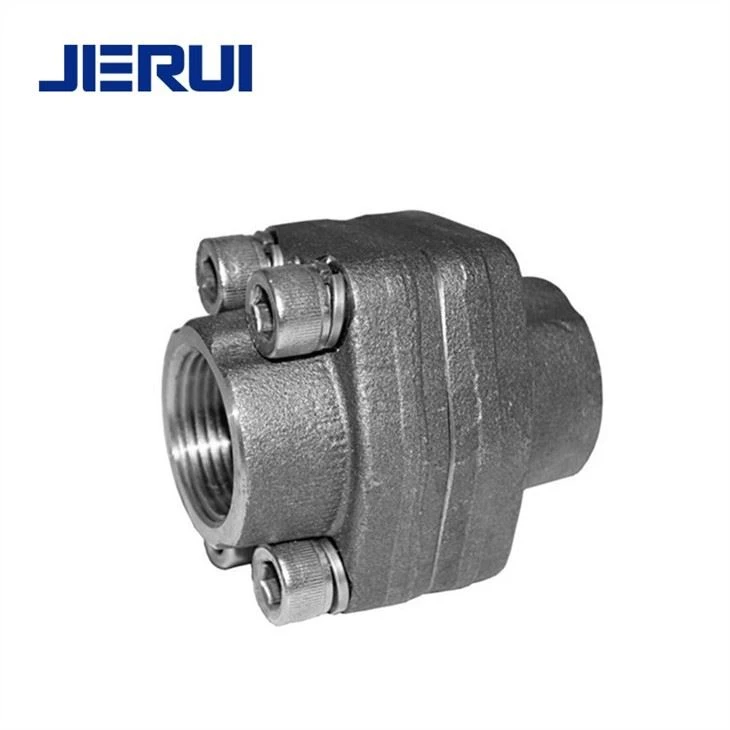
SAE Threaded Flange has threads on the inside. The pipe or component with matching threads is screwed into the flange. This type of connection is relatively easy to install and remove, which can be handy for maintenance or when you need to make changes to the hydraulic system. However, it's important to use the right amount of thread sealant to prevent leakage.
SAE Flange Welding Couplings
SAE Flange Welding Couplings are used to connect two pipes or components. They work by welding the coupling to the pipes. This creates a permanent and strong connection. The design of these couplings ensures that the fluid flow is smooth and that there are no sharp edges or obstructions that could cause turbulence or pressure drops.

Factors Affecting the Performance of Hydraulic Flanges
Material Quality
The quality of the material used to make the flange is crucial. If the material is of poor quality, it may not be able to withstand the high pressures in the hydraulic system. For example, a low - grade steel flange may crack or deform under pressure, leading to leaks.
Installation
Proper installation is key to the performance of hydraulic flanges. If the flanges are not bolted together tightly enough, the gasket may not form a proper seal, and fluid can leak out. On the other hand, over - tightening the bolts can damage the flange or the gasket.
Maintenance
Regular maintenance is also important. You need to check the flanges for signs of wear, corrosion, or damage. If you notice any issues, you should replace the flange or the gasket as soon as possible to prevent more serious problems.
Why Choose Our Hydraulic Flanges
As a supplier, we take pride in offering high - quality hydraulic flanges. Our flanges are made from top - notch materials, ensuring excellent pressure resistance and durability. We have a wide range of flanges, including the SAE Socket Weld Flange, SAE Threaded Flange, and SAE Flange Welding Couplings, to meet different customer needs.
Our team of experts can also provide you with technical support and advice on the best flanges for your specific application. Whether you're working on a small hydraulic project or a large industrial system, we've got you covered.
Let's Talk Business
If you're in the market for hydraulic flanges, I'd love to hear from you. We're here to help you find the perfect flanges for your hydraulic system. Whether you have questions, need a quote, or just want to discuss your project, don't hesitate to reach out. Let's work together to make your hydraulic system run smoothly and efficiently.
References
- "Hydraulic Systems Handbook" by an industry expert.
- Various technical documents from leading hydraulic component manufacturers.