


Hey there! As a supplier of 37° flare flanges, I often get asked about how much these things cost. Well, the price of a 37° flare flange can vary quite a bit, and in this blog, I'm gonna break down the factors that affect the cost and give you a general idea of what you might expect to pay.
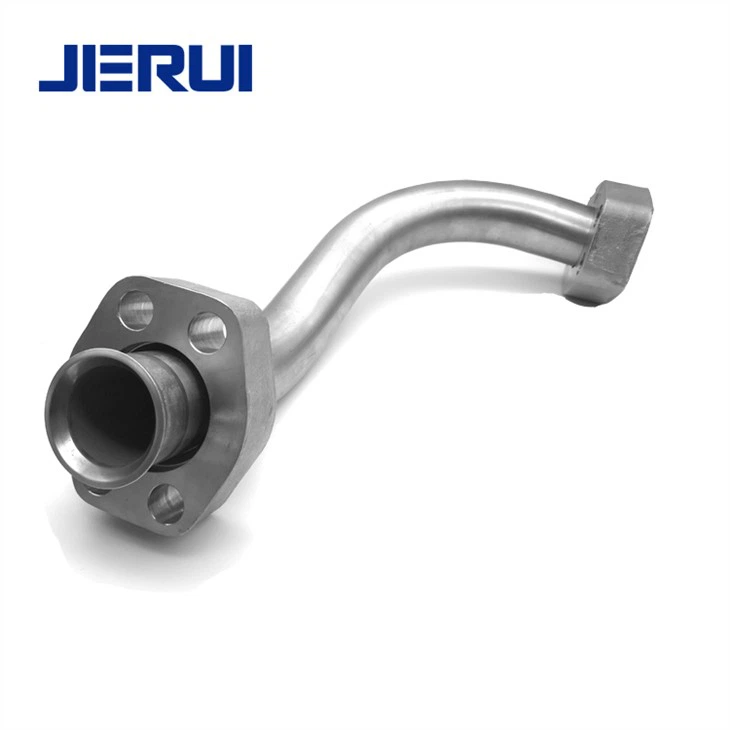
First off, let's talk about what a 37° flare flange is. It's a type of flange used in hydraulic systems. The 37° angle is crucial as it provides a reliable seal and connection for hydraulic lines. These flanges are super important in industries like construction, agriculture, and manufacturing, where hydraulic systems are widely used.
One of the biggest factors that determine the cost of a 37° flare flange is the material it's made from. Flanges can be crafted from different materials, such as steel, stainless steel, and aluminum. Steel flanges are usually the most budget - friendly option. They're strong and durable, making them a popular choice for many applications. However, they're more prone to rust if not properly coated. Stainless steel flanges, on the other hand, are more expensive. They offer excellent corrosion resistance, which is a must - have in environments where the flange will be exposed to moisture or chemicals. Aluminum flanges are lightweight and also resistant to corrosion, but they're generally not as strong as steel or stainless steel. So, depending on your specific needs, the material you choose will have a big impact on the price.
Another factor that influences the cost is the size of the flange. Flanges come in various sizes, and larger flanges typically cost more than smaller ones. This is because they require more raw material to manufacture, and the production process might be more complex. For example, a small - sized 37° flare flange for a low - pressure hydraulic system will be cheaper than a large - sized one designed for high - pressure applications.
The manufacturing process also plays a role in the price. Precision - made flanges that meet strict industry standards will cost more. These flanges are often produced using advanced machining techniques to ensure accurate dimensions and a high - quality finish. On the other hand, flanges with looser tolerances or made using more basic manufacturing methods will be less expensive. But keep in mind that using a lower - quality flange might lead to leaks or other problems in your hydraulic system, which could end up costing you more in the long run.
Now, let's get to the actual price range. For a basic steel 37° flare flange of a common size, you might be looking at anywhere from $10 to $50. This is a rough estimate, and the price can go up or down depending on the factors I mentioned earlier. If you opt for a stainless steel flange, the price could start from around $30 and go as high as $100 or more, especially for larger sizes or those with special features. Aluminum flanges usually fall in the middle of the price range, starting at about $20.
It's also important to consider the quantity you're buying. If you're purchasing a large quantity of flanges, you'll likely get a better per - unit price. Many suppliers, including me, offer volume discounts to encourage bulk purchases. So, if you have a big project that requires a lot of 37° flare flanges, it's definitely worth asking about these discounts.
In addition to the base price of the flange, there are other costs to keep in mind. Shipping costs can add up, especially if you're ordering from a supplier that's far away. And if you need any custom features or modifications to the flange, such as special coatings or non - standard dimensions, that will also increase the overall cost.
If you're interested in learning more about different types of 37° flare flanges, you can check out these links: SAE 37° Flare Flange O - ring Seal, 37 DEG FLARE FLANGE, and Flared Flange. These pages provide detailed information about specific products and can help you make a more informed decision.
When it comes to buying 37° flare flanges, it's essential to balance cost with quality. Don't just go for the cheapest option, as it might not meet your requirements or last as long. Instead, think about your specific needs, such as the operating environment, pressure requirements, and expected lifespan of the flange.
If you're in the market for 37° flare flanges, I'd love to help you out. I have a wide range of flanges in different materials, sizes, and specifications. Whether you need a small quantity for a maintenance job or a large order for a new project, I can provide you with high - quality products at competitive prices. Just reach out to me, and we can discuss your requirements in detail. I'm here to make sure you get the right flange for your hydraulic system at a price that works for you.
In conclusion, the cost of a 37° flare flange can vary widely based on material, size, manufacturing process, and other factors. By understanding these factors and doing your research, you can make a smart purchasing decision. And if you have any questions or want to start a procurement discussion, don't hesitate to get in touch.
References

- General knowledge of the hydraulic industry and 37° flare flange manufacturing.
- Market research on the prices of different types of flanges.