


Yo! I'm a supplier of hydraulic flanges, and today I wanna chat about how to design a hydraulic flange to resist vibration. Vibration can be a real pain in the butt for hydraulic systems. It can cause leaks, premature wear, and even system failure. So, getting the design of hydraulic flanges right to handle vibration is super important.
Understanding the Vibration Problem
First off, we need to understand what causes vibration in hydraulic systems. There are a few main culprits. One is the pulsation of the fluid. When the hydraulic pump moves fluid, it creates pressure pulses. These pulses can cause the pipes and components, including flanges, to vibrate. Another cause is the operation of the machinery itself. If the equipment that the hydraulic system is attached to is moving or has moving parts, it can transfer vibrations to the hydraulic system.
Vibration can lead to some serious issues. For example, it can loosen the bolts that hold the flange together. Once the bolts start to loosen, the seal between the flanges can break, leading to fluid leaks. And leaks are not only a mess but can also be a safety hazard. Vibration can also cause fatigue in the flange material. Over time, this fatigue can lead to cracks in the flange, which can ultimately result in the failure of the whole hydraulic system.
Material Selection
The choice of material for the hydraulic flange is crucial when it comes to resisting vibration. We need a material that is strong, durable, and has good damping properties. Damping is the ability of a material to absorb energy and reduce vibration.
One popular material for hydraulic flanges is stainless steel. Stainless steel is known for its strength and corrosion resistance. It can withstand high pressures and temperatures, which are common in hydraulic systems. Plus, it has decent damping properties, which helps to reduce vibration. Another option is carbon steel. Carbon steel is also strong and relatively inexpensive. However, it may require some form of coating or treatment to prevent corrosion.
We also need to consider the hardness of the material. A harder material can better resist wear and deformation caused by vibration. But at the same time, it shouldn't be too brittle, or it may crack under the stress of vibration.
Design Features
Now, let's talk about the design features that can help a hydraulic flange resist vibration.
-
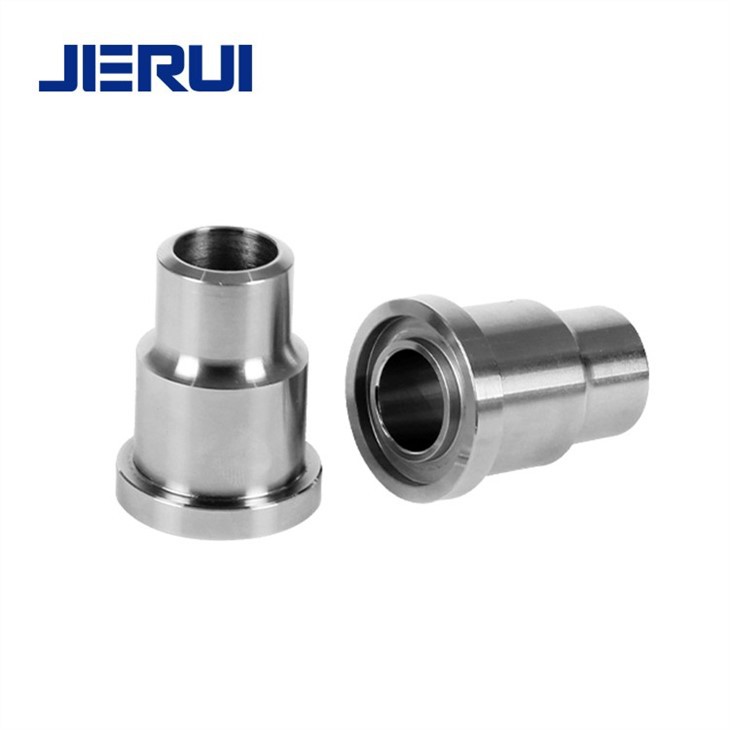
Proper Bolt Spacing and Torque: The bolts that hold the flange together play a key role in resisting vibration. We need to make sure that the bolts are spaced evenly around the flange. This helps to distribute the load evenly and prevent any weak points. Also, the bolts need to be tightened to the correct torque. If the torque is too low, the bolts may loosen over time due to vibration. If the torque is too high, it can damage the flange or the bolts themselves.

-
Sealing Design: A good sealing design is essential to prevent leaks caused by vibration. We can use gaskets made of materials like rubber or PTFE. These materials can conform to the surface of the flange and create a tight seal. Some flanges also have a raised face design, which helps to improve the sealing performance.
-
Reinforcement: Adding reinforcement to the flange can increase its strength and stiffness. For example, we can use ribs or webs on the flange. These reinforcements can help to distribute the stress caused by vibration and prevent the flange from deforming.
Testing and Validation
Once we have designed a hydraulic flange, we need to test it to make sure it can resist vibration. There are several testing methods we can use.
-
Vibration Testing: This involves subjecting the flange to controlled vibrations and measuring its response. We can use a vibration table to simulate different levels and frequencies of vibration. During the test, we can monitor the flange for any signs of damage, such as cracks or loosening of the bolts.
-
Fatigue Testing: Fatigue testing is used to determine how long the flange can withstand repeated cycles of stress caused by vibration. We can use a fatigue testing machine to apply cyclic loads to the flange and measure the number of cycles it can endure before failure.
Our Product Range
As a hydraulic flange supplier, we offer a wide range of products that are designed to resist vibration. Check out our SAE Flange Welding Couplings, SAE Socket Weld Flange, and SAE Flange Clamps. These products are made from high - quality materials and have been carefully designed and tested to ensure they can handle the toughest vibration conditions.
Let's Talk
If you're in the market for hydraulic flanges that can resist vibration, don't hesitate to reach out. We're here to help you find the right solution for your hydraulic system. Whether you have a specific application in mind or just need some advice, we're happy to chat.
References
- "Hydraulic System Design Handbook" by John F. Dawson
- "Materials Science and Engineering: An Introduction" by William D. Callister Jr. and David G. Rethwisch