


When it comes to the world of hydraulic systems, BSP (British Standard Pipe) hose fittings play a crucial role. As a reliable BSP hose fitting supplier, I understand the importance of accurately measuring these fittings. Incorrect measurements can lead to leaks, inefficiencies, and even system failures. In this blog post, I will share some essential methods and tips on how to measure the size of a BSP hose fitting.
Understanding BSP Hose Fittings
Before diving into the measurement process, it's important to have a basic understanding of BSP hose fittings. BSP fittings come in two main types: BSPP (British Standard Pipe Parallel) and BSPT (British Standard Pipe Taper). BSPP fittings have parallel threads, while BSPT fittings have tapered threads. The thread pitch and angle are standardized, which is crucial for ensuring a proper seal.
Tools Required for Measurement
To accurately measure a BSP hose fitting, you will need the following tools:
- Thread Gauge: This tool is used to determine the thread pitch and type (BSPP or BSPT). It typically comes with a set of blades that match different thread sizes.
- Vernier Caliper: A caliper is used to measure the outer diameter (OD) and inner diameter (ID) of the fitting. It provides precise measurements in millimeters or inches.
- Depth Gauge: This tool is used to measure the depth of the fitting, especially important for fittings with a female end.
Measuring the Thread
The first step in measuring a BSP hose fitting is to determine the thread type and pitch. Here's how you can do it:
- Identify the Thread Type: Use the thread gauge to check if the threads are parallel (BSPP) or tapered (BSPT). Place the gauge on the threads and match the blades to the thread pattern. If the gauge fits snugly, you have identified the thread type.
- Determine the Thread Pitch: Once you have identified the thread type, use the thread gauge to measure the thread pitch. The pitch is the distance between two adjacent threads. Match the gauge blade to the threads and read the pitch value on the gauge.
Measuring the Outer Diameter (OD)
The outer diameter of the fitting is an important measurement, especially for male fittings. Here's how you can measure it:
- Open the Vernier Caliper: Make sure the caliper is clean and the jaws are fully open.
- Place the Caliper on the Fitting: Carefully place the caliper jaws around the outer diameter of the fitting. Make sure the caliper is perpendicular to the fitting axis.
- Read the Measurement: Close the caliper jaws until they touch the fitting surface. Read the measurement on the caliper scale. Make sure to note the unit of measurement (millimeters or inches).
Measuring the Inner Diameter (ID)
The inner diameter of the fitting is crucial for female fittings. Here's how you can measure it:
- Open the Vernier Caliper: Similar to measuring the OD, open the caliper jaws and make sure they are clean.
- Insert the Caliper into the Fitting: Gently insert the caliper jaws into the female end of the fitting. Make sure the caliper is centered and perpendicular to the fitting axis.
- Read the Measurement: Close the caliper jaws until they touch the inner surface of the fitting. Read the measurement on the caliper scale. Again, note the unit of measurement.
Measuring the Depth
For fittings with a female end, measuring the depth is important to ensure a proper fit. Here's how you can do it:

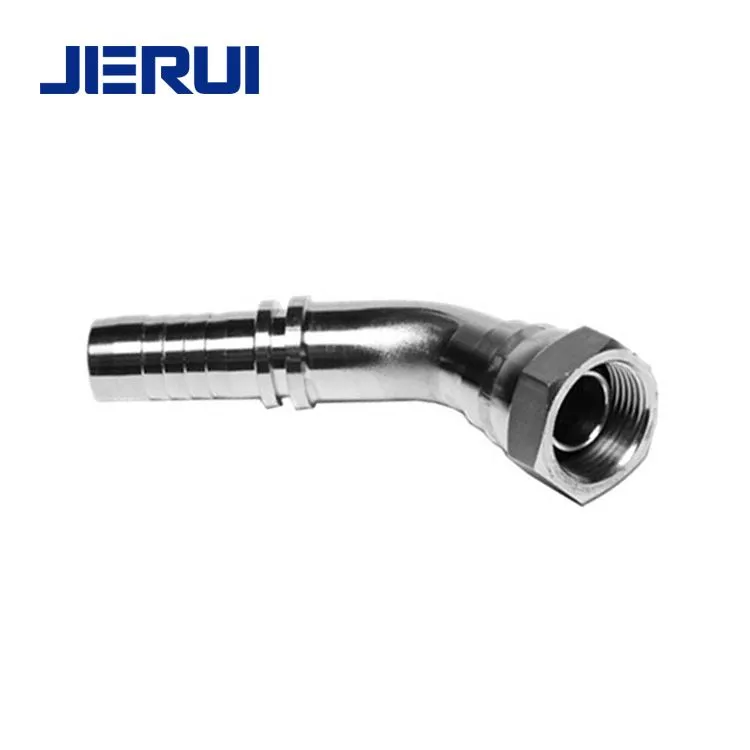
- Use the Depth Gauge: Place the depth gauge on the fitting and insert the probe into the female end. Make sure the gauge is perpendicular to the fitting surface.
- Read the Measurement: Push the probe down until it reaches the bottom of the fitting. Read the measurement on the depth gauge scale. Note the unit of measurement.
Common Measurement Mistakes to Avoid
When measuring BSP hose fittings, it's important to avoid the following common mistakes:
- Using the Wrong Tools: Make sure you are using the correct tools for the measurement. Using the wrong thread gauge or caliper can lead to inaccurate measurements.
- Not Cleaning the Fittings: Dirt, debris, or oil on the fittings can affect the measurement accuracy. Always clean the fittings before taking measurements.
- Incorrect Placement of Tools: Ensure that the tools are placed correctly on the fitting. Incorrect placement can result in inaccurate measurements.
Importance of Accurate Measurements
Accurate measurements of BSP hose fittings are crucial for several reasons:
- Proper Fit: A well-measured fitting ensures a proper fit, which is essential for preventing leaks and ensuring the efficient operation of the hydraulic system.
- Compatibility: Accurate measurements help ensure that the fitting is compatible with other components in the system. This reduces the risk of system failures and downtime.
- Safety: A properly fitted hose fitting enhances the safety of the hydraulic system. Leaks can lead to fluid spills, which can be hazardous to personnel and the environment.
Conclusion
Measuring the size of a BSP hose fitting is a critical step in ensuring the proper functioning of a hydraulic system. By using the right tools and following the correct measurement procedures, you can accurately determine the thread type, pitch, outer diameter, inner diameter, and depth of the fitting. As a BSP hose fitting supplier, I am committed to providing high-quality fittings that meet the exact specifications of our customers. If you have any questions or need assistance with measuring or selecting the right BSP hose fitting, please feel free to [initiate a contact for procurement negotiation].
References
- "Hydraulic Hose Fittings Handbook" by Hydraulics Institute
- "BSP Thread Standards" by British Standards Institution