


Hey there! I'm a supplier of SAE Socket Weld Flange, and I know firsthand how big of a headache corrosion can be, especially in humid environments. But don't worry, I've got some tips and tricks up my sleeve to help you keep those flanges in tip - top shape.
Understanding the Enemy: Corrosion
First things first, let's talk about what corrosion is and why it's such a problem in humid conditions. Corrosion is basically a chemical reaction that eats away at metals. When you've got a lot of moisture in the air, it acts like an accelerator for this reaction. The water molecules in the humidity can form a thin layer on the surface of the SAE Socket Weld Flange. This layer allows oxygen to react with the metal, leading to the formation of rust or other types of corrosion products.
The consequences of corrosion are no joke. It can weaken the structural integrity of the flange, which means it might not be able to hold up under pressure. This can lead to leaks in your hydraulic system, which can cause all sorts of problems, from reduced efficiency to potential safety hazards.
Choosing the Right Material
One of the first steps in preventing corrosion is to start with the right material. Not all metals are created equal when it comes to resisting corrosion. For SAE Socket Weld Flanges, materials like stainless steel are a great choice. Stainless steel contains chromium, which forms a protective oxide layer on the surface of the metal. This layer acts as a barrier, preventing oxygen and water from reaching the metal underneath and causing corrosion.
Another option is to use coated metals. There are various types of coatings available that can provide an extra layer of protection. For example, zinc coatings can be applied to the flange. Zinc is more reactive than the base metal of the flange, so it corrodes first, sacrificing itself to protect the flange. This is called sacrificial protection.
Surface Treatment
Once you've chosen the right material, the next step is to give the flange a proper surface treatment. One common method is passivation. This involves treating the surface of the flange with a chemical solution to remove any free iron or other contaminants. By doing this, you're enhancing the natural oxide layer on the surface of the metal, making it more resistant to corrosion.
Another option is to apply a powder coating. Powder coatings are a dry finishing process where a fine powder is electrostatically applied to the flange. Then, it's heated to form a hard, durable coating. Powder coatings can provide excellent protection against corrosion, as well as a nice aesthetic finish.
Proper Installation
How you install the SAE Socket Weld Flange can also have a big impact on its susceptibility to corrosion. Make sure the installation area is clean and dry. Any dirt, debris, or moisture left on the surface can create a breeding ground for corrosion.

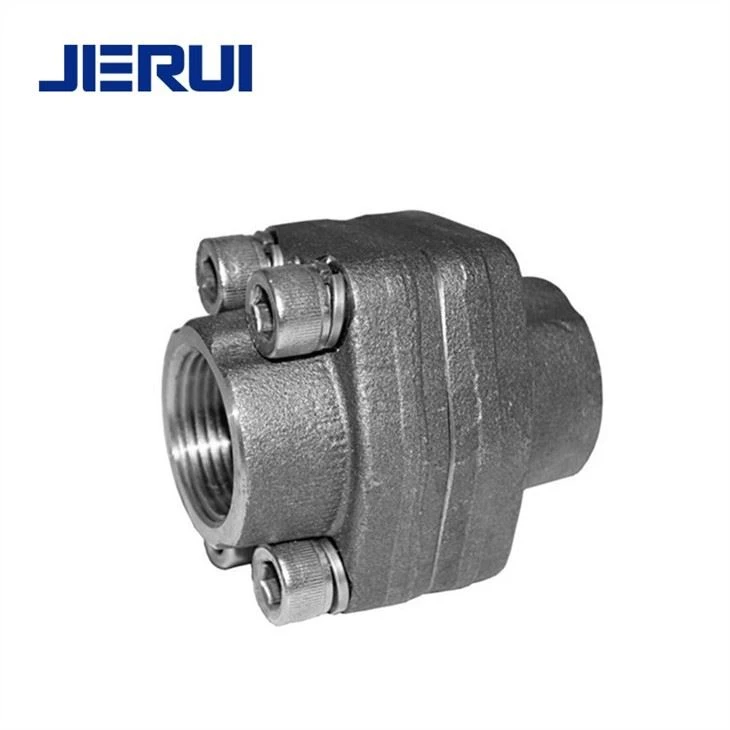
During the welding process, which is used to attach the socket weld flange, it's crucial to follow the correct procedures. Improper welding can lead to weak spots in the flange, which are more likely to corrode. For example, if the weld isn't done correctly, it can create crevices where moisture can accumulate and cause corrosion.
Maintenance and Inspection
Regular maintenance and inspection are key to preventing corrosion. You should check your SAE Socket Weld Flanges on a regular basis for any signs of corrosion, such as rust spots or discoloration. If you notice any issues, it's important to address them right away.
Cleaning the flanges is also an important part of maintenance. You can use a mild detergent and water to clean the surface of the flange, removing any dirt or contaminants. After cleaning, make sure to dry the flange thoroughly to prevent moisture from lingering.
It's also a good idea to apply a protective lubricant or anti - corrosion spray to the flanges periodically. These products can help to create a barrier between the metal and the environment, reducing the risk of corrosion.
Storage
When the SAE Socket Weld Flanges are not in use, proper storage is essential. Store them in a dry, well - ventilated area. Avoid storing them in areas where there is a lot of moisture, such as basements or near water sources.
If possible, store the flanges in a protective packaging. This can help to prevent them from coming into contact with moisture and other corrosive substances during storage.
Other Related Flanges
While we're on the topic of flanges, it's worth mentioning a couple of other types that might be relevant to your needs. The SAE Threaded Flange is another option that you might consider. It's designed to be threaded onto a pipe, providing a secure connection. And if you're working with metric systems, the SAE Metric Threaded Flange is a great choice. These flanges are similar to the SAE Threaded Flange but are designed to meet metric specifications.
Conclusion
Preventing corrosion of SAE Socket Weld Flanges in humid environments is definitely doable. By choosing the right material, giving it a proper surface treatment, installing it correctly, and maintaining it regularly, you can significantly reduce the risk of corrosion. And remember, if you have any questions or are looking to purchase high - quality SAE Socket Weld Flanges or other related products, feel free to reach out for a procurement discussion.
References
- Fontana, M. G. (1986). Corrosion Engineering. McGraw - Hill.
- Uhlig, H. H., & Revie, R. W. (1985). Corrosion and Corrosion Control. Wiley - Interscience.