


Hey there! As a JIC hose fitting supplier, I've seen firsthand how UV radiation can mess up these fittings. In this blog, I'm gonna share some tips on how to protect JIC hose fittings from UV radiation.
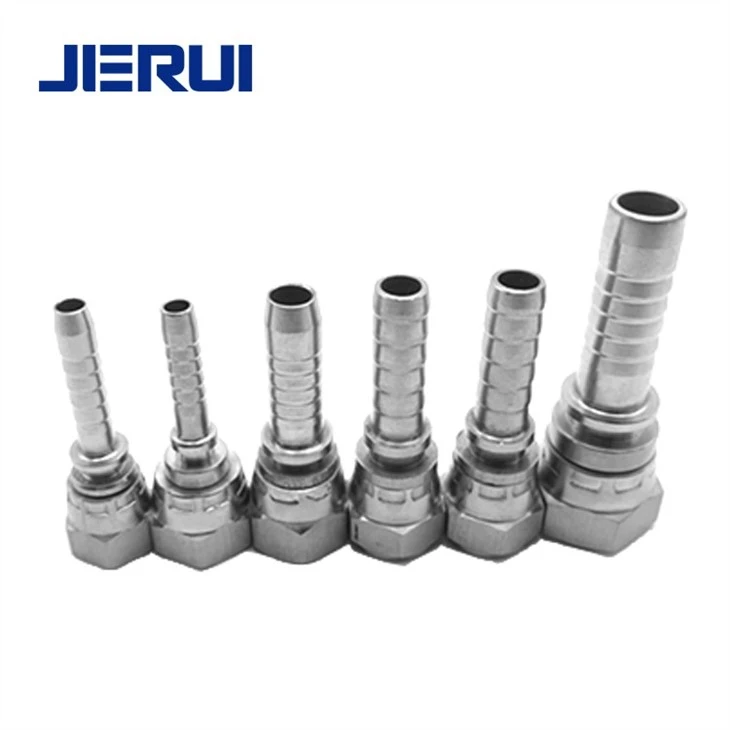

Understanding the Impact of UV Radiation on JIC Hose Fittings
First off, let's talk about why UV radiation is such a big deal for JIC hose fittings. UV rays can cause a whole bunch of problems. Over time, they can break down the materials used in these fittings. For example, the rubber seals in JIC hose fittings can become brittle and crack when exposed to UV radiation for extended periods. This not only reduces the effectiveness of the seal but can also lead to leaks, which is a major headache in any hydraulic system.
Plastic components in the fittings can also be affected. UV rays can cause the plastic to fade, become discolored, and lose its structural integrity. This means the fitting might not hold up as well under pressure, increasing the risk of failure.
Protective Coatings
One of the easiest ways to protect JIC hose fittings from UV radiation is by applying protective coatings. There are a few different types of coatings available, each with its own benefits.
Paint Coatings
Paint is a common and cost - effective option. You can choose a paint that is specifically formulated to resist UV rays. A good quality industrial paint can form a barrier between the fitting and the UV radiation. Before applying the paint, make sure to clean the fitting thoroughly to remove any dirt, grease, or rust. This will ensure that the paint adheres properly. You can use a primer first to improve the adhesion and then apply one or more coats of the UV - resistant paint.
Powder Coatings
Powder coatings are another great choice. They offer a more durable and long - lasting protection compared to paint. The powder is electrostatically applied to the fitting and then cured in an oven. This creates a tough, uniform coating that is highly resistant to UV damage. Powder coatings also provide good resistance to scratches and chemicals, which is an added bonus.
Clear Coatings
If you want to protect the fitting without changing its appearance too much, clear coatings are a good option. These coatings are transparent and can be applied to the fitting to provide UV protection. They are often used on fittings where aesthetics are important, such as in visible hydraulic systems.
Protective Covers
Using protective covers is also an effective way to shield JIC hose fittings from UV radiation.
Rubber Covers
Rubber covers are flexible and easy to install. They can be custom - made to fit the specific size and shape of the fitting. Rubber is naturally resistant to UV radiation to some extent, and it can also provide additional protection against physical damage. For example, it can prevent the fitting from being scratched or dented by objects in the environment.
Plastic Covers
Plastic covers are another popular choice. They are lightweight, inexpensive, and come in a variety of colors and styles. You can find plastic covers that are designed to be UV - resistant. Some plastic covers are also designed to be easy to open and close, which is useful if you need to access the fitting for maintenance or inspection.
Storage and Installation Practices
How you store and install JIC hose fittings can also play a big role in protecting them from UV radiation.
Storage
When storing JIC hose fittings, keep them in a cool, dry place away from direct sunlight. If possible, store them in a closed container or cabinet. This will prevent them from being exposed to UV rays for long periods. You can also use storage racks that are covered or located in an area that is shaded.
Installation
During installation, try to position the fittings in areas where they are not directly exposed to sunlight. For example, if you are installing a hydraulic system in an outdoor environment, you can place the fittings under a shelter or in a shaded area. If this is not possible, you can use the protective coatings and covers mentioned earlier to minimize the UV exposure.
Regular Inspections
Even if you take all the necessary precautions to protect JIC hose fittings from UV radiation, it's still important to conduct regular inspections. Check the fittings for any signs of damage, such as cracks, discoloration, or wear. If you notice any problems, replace the fitting as soon as possible to prevent further issues.
The Importance of Choosing Quality Fittings
As a JIC hose fitting supplier, I always recommend choosing high - quality fittings from the start. High - quality fittings are often made from materials that are more resistant to UV radiation and other environmental factors. For example, some fittings are made from stainless steel, which is naturally more resistant to corrosion and UV damage compared to other metals.
When you're in the market for JIC hose fittings, make sure to look for products that are tested and certified for quality. You can find a wide range of high - quality fittings on our website, including JIC 37° Male Insert, JIC 37° Female Insert, and 45° JIC 37° Female Insert.
Conclusion
Protecting JIC hose fittings from UV radiation is crucial to ensure their long - term performance and reliability. By using protective coatings, covers, and following proper storage and installation practices, you can significantly reduce the risk of UV - related damage. Regular inspections are also important to catch any issues early on.
If you're in need of high - quality JIC hose fittings or have any questions about protecting them from UV radiation, don't hesitate to reach out. We're here to help you find the right solutions for your hydraulic system needs. Whether you're a small business or a large industrial operation, we can provide you with the products and advice you need. So, start taking steps to protect your JIC hose fittings today and ensure the smooth operation of your hydraulic systems.
References
- Industrial Coating Handbook: A Guide to Protective Coatings for Machinery and Equipment
- Hydraulic Fitting Installation and Maintenance Manuals
- UV Radiation and Its Effects on Materials: A Scientific Overview