


As a seasoned supplier of BSP hose fittings, I've witnessed firsthand the diverse and critical applications of these components across various industries. BSP, or British Standard Pipe, hose fittings are renowned for their reliability, durability, and versatility, making them a staple in countless hydraulic and pneumatic systems worldwide. In this blog post, I'll delve into the common applications of BSP hose fittings, highlighting their importance and the specific types of fittings commonly used in each scenario.
Hydraulic Systems
Hydraulic systems are the workhorses of many industrial and mobile applications, relying on the transmission of fluid power to perform a wide range of tasks. BSP hose fittings play a crucial role in these systems, connecting hoses to pumps, valves, cylinders, and other hydraulic components. Their ability to provide a secure and leak-free connection is essential for maintaining the efficiency and reliability of hydraulic systems.
One of the most common types of BSP hose fittings used in hydraulic systems is the 90° Female 60° Cone Inserts BSP. These fittings are designed to provide a 90-degree angle connection, allowing for flexibility in routing hoses around obstacles. The 60-degree cone inserts ensure a tight seal, preventing fluid leakage and maintaining system pressure.
Another popular choice is the Female 60° Cone Inserts BSP, which is used for straight connections in hydraulic systems. These fittings are available in a variety of sizes to accommodate different hose diameters and system requirements.
In addition to these, BSP Male 60° Cone Seat fittings are also commonly used in hydraulic systems. These fittings are designed to mate with female cone inserts, providing a secure and leak-free connection. The 60-degree cone seat ensures a tight seal, even under high pressure.
Pneumatic Systems
Pneumatic systems use compressed air to power various types of equipment, such as air tools, actuators, and control valves. BSP hose fittings are widely used in pneumatic systems to connect hoses to these components, providing a reliable and efficient means of transmitting compressed air.
In pneumatic systems, BSP hose fittings are typically used in conjunction with air hoses to deliver compressed air to the desired location. The fittings must be able to withstand the pressure and flow requirements of the system, while also providing a secure and leak-free connection.
One of the key advantages of using BSP hose fittings in pneumatic systems is their ability to provide a tight seal, even under high pressure. This helps to prevent air leakage, which can lead to reduced system efficiency and increased energy consumption.
Automotive Industry
The automotive industry is another major user of BSP hose fittings. These fittings are used in a variety of applications, including fuel systems, brake systems, and air conditioning systems.
In fuel systems, BSP hose fittings are used to connect fuel lines to the engine, fuel tank, and other components. These fittings must be able to withstand the high pressure and temperature of the fuel, while also providing a secure and leak-free connection to prevent fuel leakage.
In brake systems, BSP hose fittings are used to connect the brake lines to the brake calipers, master cylinder, and other components. These fittings must be able to withstand the high pressure generated by the brake system, while also providing a reliable and responsive braking performance.
In air conditioning systems, BSP hose fittings are used to connect the refrigerant lines to the compressor, condenser, evaporator, and other components. These fittings must be able to withstand the high pressure and temperature of the refrigerant, while also providing a secure and leak-free connection to prevent refrigerant leakage.
Marine Industry
The marine industry also relies heavily on BSP hose fittings for a variety of applications, including fuel systems, water systems, and hydraulic systems.
In fuel systems, BSP hose fittings are used to connect the fuel lines to the engine, fuel tank, and other components. These fittings must be able to withstand the harsh marine environment, including saltwater corrosion and high humidity, while also providing a secure and leak-free connection to prevent fuel leakage.
In water systems, BSP hose fittings are used to connect the water lines to the pumps, valves, and other components. These fittings must be able to withstand the pressure and flow requirements of the system, while also providing a secure and leak-free connection to prevent water leakage.
In hydraulic systems, BSP hose fittings are used to connect the hydraulic hoses to the pumps, valves, cylinders, and other components. These fittings must be able to withstand the high pressure and load requirements of the system, while also providing a reliable and efficient means of transmitting hydraulic power.
Industrial Machinery
Industrial machinery, such as manufacturing equipment, construction equipment, and agricultural machinery, also rely on BSP hose fittings for a variety of applications.

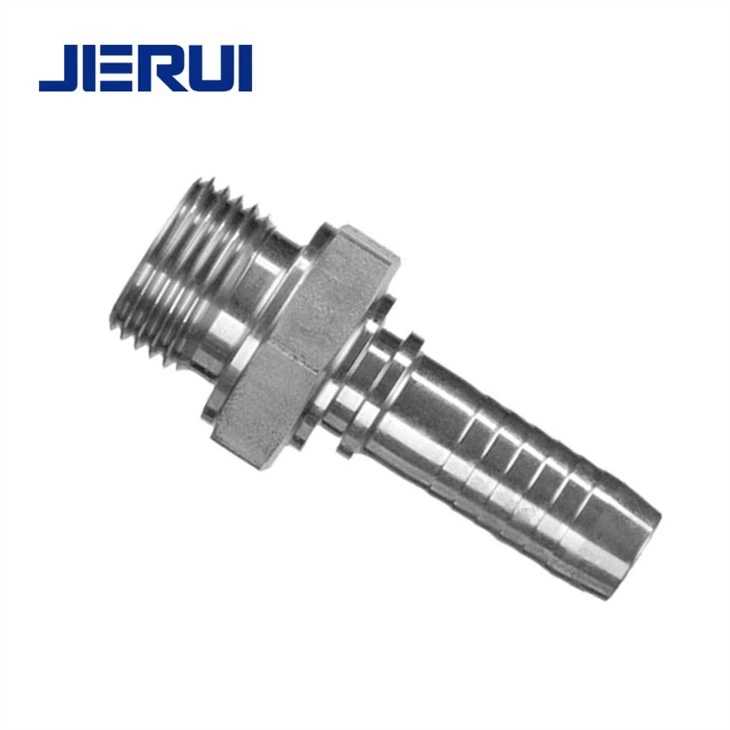
In manufacturing equipment, BSP hose fittings are used to connect the hydraulic and pneumatic systems to the various components of the machine, such as the actuators, valves, and cylinders. These fittings must be able to withstand the high pressure and load requirements of the system, while also providing a reliable and efficient means of transmitting power.
In construction equipment, BSP hose fittings are used to connect the hydraulic and pneumatic systems to the various components of the machine, such as the boom, bucket, and blade. These fittings must be able to withstand the harsh construction environment, including dirt, dust, and vibration, while also providing a secure and leak-free connection to prevent fluid leakage.
In agricultural machinery, BSP hose fittings are used to connect the hydraulic and pneumatic systems to the various components of the machine, such as the plow, harrow, and sprayer. These fittings must be able to withstand the harsh agricultural environment, including dirt, dust, and chemicals, while also providing a secure and leak-free connection to prevent fluid leakage.
Conclusion
In conclusion, BSP hose fittings are essential components in a wide range of industries, including hydraulic systems, pneumatic systems, automotive, marine, and industrial machinery. Their reliability, durability, and versatility make them a popular choice for connecting hoses to various components, providing a secure and leak-free connection.
As a supplier of BSP hose fittings, I understand the importance of providing high-quality products that meet the specific needs of our customers. We offer a wide range of BSP hose fittings, including 90° Female 60° Cone Inserts BSP, Female 60° Cone Inserts BSP, and BSP Male 60° Cone Seat, to meet the diverse requirements of our customers.
If you're in need of BSP hose fittings for your application, please don't hesitate to contact us. Our team of experts will be happy to assist you in selecting the right fittings for your needs and providing you with the best possible service.
References
- "Hydraulic and Pneumatic Systems Handbook" by John C. Schulz
- "Automotive Engineering Fundamentals" by David Crolla
- "Marine Engineering and Technology" by Paul W. Clegg
- "Industrial Machinery Design and Applications" by Robert L. Norton