


In the realm of hydraulic systems, the ISO 6164 Flare Flange plays a pivotal role in ensuring reliable and efficient fluid transfer. As a trusted ISO 6164 Flare Flange supplier, I've witnessed firsthand the significance of these components in various industrial applications. However, like any mechanical part, ISO 6164 Flare Flanges are susceptible to certain failure modes that can compromise the performance and safety of hydraulic systems. In this blog, we'll explore the common failure modes of ISO 6164 Flare Flanges, their underlying causes, and potential solutions.
Sealing Failure
One of the most prevalent failure modes of ISO 6164 Flare Flanges is sealing failure. A proper seal is crucial to prevent fluid leakage, which can lead to reduced system efficiency, contamination, and even safety hazards. Sealing failure can occur due to several factors:

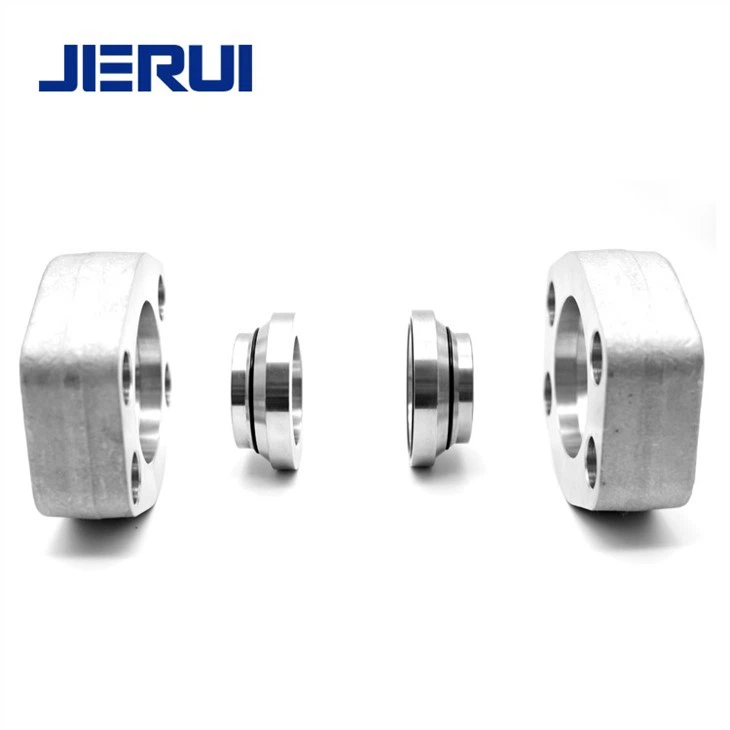
- Improper Installation: Incorrect installation procedures, such as under - or over - tightening the flange bolts, can affect the seal integrity. When the bolts are not tightened evenly, it can cause uneven pressure distribution on the sealing surface, leading to gaps where fluid can leak. For example, if the torque applied during installation is too low, the sealing gasket may not be compressed adequately, allowing fluid to escape. On the other hand, over - tightening can damage the gasket or distort the flange, also resulting in a poor seal.
- Gasket Degradation: The sealing gasket is a critical component of the flange joint. Over time, it can degrade due to exposure to high temperatures, aggressive chemicals, or mechanical stress. For instance, in a hydraulic system where the fluid has a high temperature or contains corrosive additives, the gasket material may harden, crack, or lose its elasticity. When the gasket degrades, it can no longer provide a tight seal, leading to fluid leakage.
- Surface Damage: Any damage to the sealing surfaces of the flange, such as scratches, nicks, or corrosion, can compromise the seal. These imperfections can prevent the gasket from making full contact with the flange surface, creating pathways for fluid leakage. Even small scratches can have a significant impact on the sealing performance, especially in high - pressure hydraulic systems.
To address sealing failure, it's essential to ensure proper installation following the manufacturer's guidelines. This includes using the correct torque values for the bolts and ensuring even distribution of the tightening force. Regular inspection of the gaskets and replacement at appropriate intervals can also prevent gasket degradation. Additionally, protecting the flange surfaces from damage during handling and storage can help maintain the integrity of the seal. For more information on ISO 6164 Flare Flanges, you can visit ISO 6164 Flare Flange.
Fatigue Failure
Fatigue failure can occur in ISO 6164 Flare Flanges when they are subjected to cyclic loading. In hydraulic systems, the pressure and flow of the fluid can vary continuously, causing the flanges to experience repeated stress. Over time, this cyclic stress can lead to the initiation and propagation of cracks in the flange material, ultimately resulting in failure.
- Material Properties: The choice of material for the flange is crucial in determining its resistance to fatigue. Flanges made from low - quality materials or materials with poor fatigue properties are more likely to fail under cyclic loading. For example, if the material has a low yield strength or a high susceptibility to crack propagation, the flange may fail prematurely.
- Design and Geometry: The design and geometry of the flange can also affect its fatigue life. Flanges with sharp corners, sudden changes in cross - section, or other stress - concentrating features are more prone to fatigue failure. These stress concentrations can cause the local stress levels to exceed the material's fatigue limit, leading to crack initiation.
- Operating Conditions: High - frequency cyclic loading, high operating pressure, and temperature fluctuations can increase the likelihood of fatigue failure. For instance, in a hydraulic system that operates with rapid on - off cycles, the flanges are subjected to frequent stress changes, which can accelerate the fatigue process.
To mitigate fatigue failure, it's important to select high - quality materials with good fatigue properties. The flange design should also be optimized to minimize stress concentrations, such as using rounded corners and gradual transitions in cross - section. Additionally, monitoring the operating conditions and reducing the frequency of cyclic loading when possible can help extend the fatigue life of the flanges. You can find more details on 37 Degree Flare Flange, which is related to the ISO 6164 standard.
Corrosion
Corrosion is another significant failure mode that can affect ISO 6164 Flare Flanges. In hydraulic systems, the flanges can be exposed to various corrosive environments, including moisture, chemicals in the hydraulic fluid, and contaminants in the surrounding atmosphere.
- Galvanic Corrosion: When two different metals are in contact in the presence of an electrolyte (such as water or a conductive fluid), galvanic corrosion can occur. For example, if a steel flange is in contact with an aluminum component in a hydraulic system with water present, the aluminum may corrode preferentially due to the difference in their electrochemical potentials.
- Pitting Corrosion: Pitting corrosion is a form of localized corrosion that can occur on the surface of the flange. It is often caused by the presence of chloride ions in the environment, which can break down the protective oxide layer on the metal surface. Once a pit forms, it can act as a stress concentrator and accelerate the corrosion process.
- General Corrosion: General corrosion occurs when the entire surface of the flange is exposed to a corrosive environment. This can be due to factors such as the presence of acidic or alkaline substances in the hydraulic fluid or the surrounding atmosphere.
To prevent corrosion, proper material selection is essential. Using corrosion - resistant materials, such as stainless steel or coated metals, can significantly reduce the risk of corrosion. Additionally, applying protective coatings or treatments to the flange surfaces can provide an additional layer of protection. Regular inspection and maintenance to detect and address corrosion early can also help prevent premature failure. You may refer to SAE 37° Flare Flange for more information on flanges with similar applications.
Bolting Issues
The bolts used to secure the ISO 6164 Flare Flanges are critical for maintaining the integrity of the joint. However, several issues can arise with the bolting system, leading to flange failure.
- Loosening: Vibration, thermal expansion and contraction, and cyclic loading can cause the bolts to loosen over time. When the bolts become loose, the clamping force on the flange joint is reduced, which can lead to sealing failure and even separation of the flanges.
- Over - Tightening or Under - Tightening: As mentioned earlier, improper tightening of the bolts can have a significant impact on the performance of the flange joint. Over - tightening can damage the bolts, the flange, or the gasket, while under - tightening can result in a loose joint and leakage.
- Bolt Damage: Bolts can be damaged during installation, operation, or maintenance. This can include shearing, corrosion, or fatigue damage. Damaged bolts may not be able to provide the necessary clamping force, leading to joint failure.
To ensure the reliability of the bolting system, it's important to use the correct bolts with the appropriate strength and material properties. Proper torque values should be applied during installation, and regular checks should be made to ensure that the bolts remain tightened. If any damaged bolts are detected, they should be replaced immediately.
Conclusion
In conclusion, understanding the common failure modes of ISO 6164 Flare Flanges is crucial for maintaining the reliability and safety of hydraulic systems. By addressing the potential causes of sealing failure, fatigue failure, corrosion, and bolting issues through proper installation, material selection, and maintenance, the service life of these flanges can be significantly extended.
As a professional ISO 6164 Flare Flange supplier, we are committed to providing high - quality products and technical support to our customers. If you are in need of ISO 6164 Flare Flanges or have any questions regarding their application and maintenance, please feel free to contact us for procurement and further discussion.
References
- "Hydraulic Flange Design and Installation Handbook"
- "Materials Science and Engineering for Fluid Power Systems"
- ISO 6164 Standard Documentation