


As a supplier of hydraulic hose assemblies, I often get asked about what exactly goes into these crucial components of hydraulic systems. So, let's break down the components of a hydraulic hose assembly.
1. The Hydraulic Hose
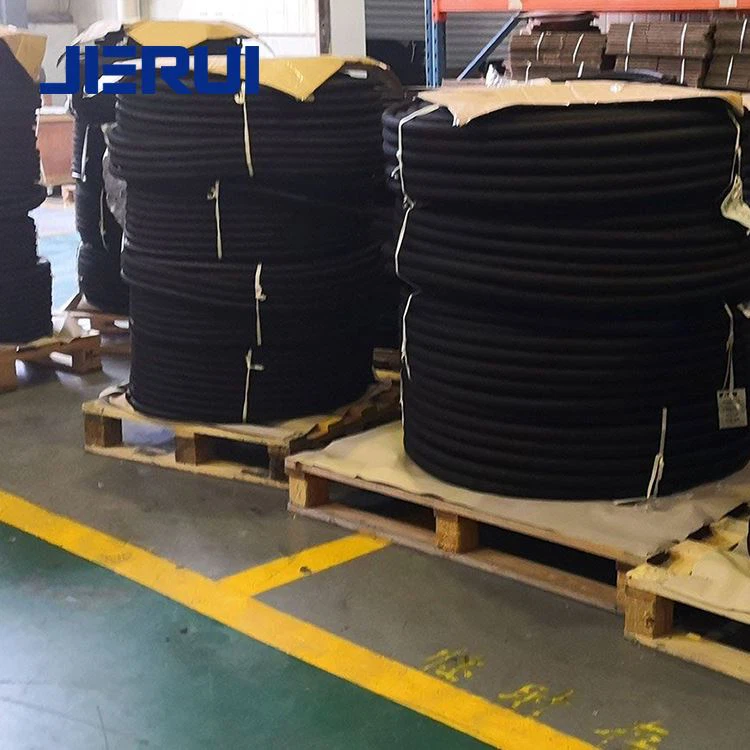
The hose itself is the core of the hydraulic hose assembly. It's designed to carry hydraulic fluid from one point to another within a hydraulic system. There are different types of hydraulic hoses, each suited for specific applications.
Construction
Most hydraulic hoses have a three - layer construction. The inner tube is the part that comes into direct contact with the hydraulic fluid. It needs to be compatible with the type of fluid used, whether it's mineral oil, synthetic fluid, or water - based fluid. A common material for the inner tube is synthetic rubber, which is resistant to abrasion, corrosion, and the chemical properties of the fluid.
The middle layer is the reinforcement layer. This layer provides strength and pressure resistance to the hose. It can be made up of one or more layers of braided or spiral - wound steel wire. Braided hoses are typically used for lower - pressure applications, while spiral - wound hoses can handle higher pressures. The more layers of reinforcement, the higher the pressure the hose can withstand.
The outer cover protects the inner components from external factors such as abrasion, weather, and chemicals. It's usually made of a tough synthetic rubber material that can resist cuts, tears, and environmental damage.
2. Fittings
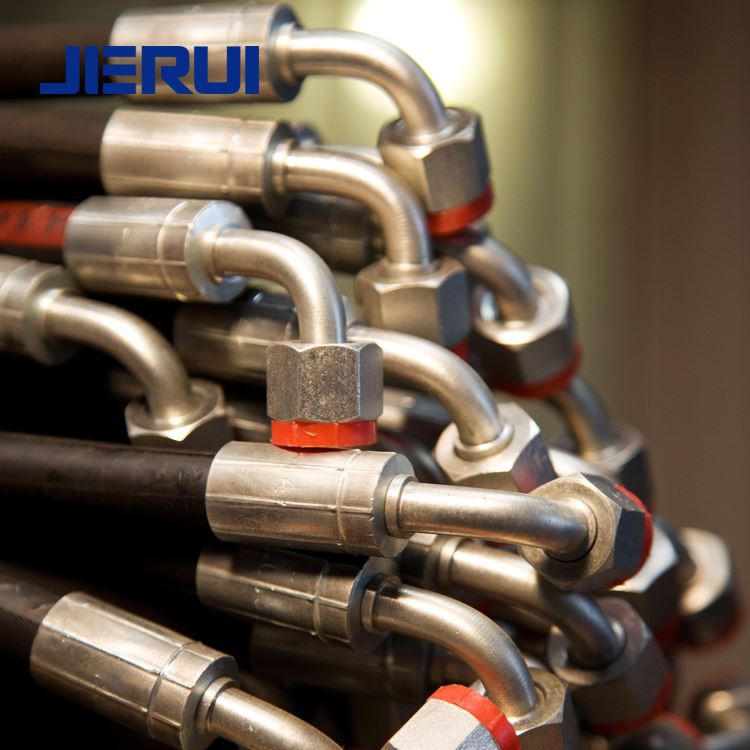
Fittings are used to connect the hydraulic hose to other components in the hydraulic system, such as pumps, valves, cylinders, and reservoirs. They come in a variety of shapes and sizes, depending on the application and the type of connection required.
Types of Fittings
- Crimp Fittings: These are the most common type of fittings used in hydraulic hose assemblies. The fitting is attached to the hose by crimping a sleeve over the hose and fitting. This creates a secure, leak - proof connection. Crimp fittings are available in different styles, such as JIC (Joint Industry Council), SAE (Society of Automotive Engineers), and metric fittings.
- Reusable Fittings: As the name suggests, these fittings can be reused if the hose needs to be replaced. They are installed by tightening a nut onto the fitting, which compresses a sealing ring against the hose. Reusable fittings are often used in applications where quick changes or repairs are required.
The choice of fitting also depends on the shape of the connection. There are straight fittings, elbow fittings (available in different angles like 45 degrees and 90 degrees), and tee fittings for branching the hydraulic lines.
3. Seals
Seals play a vital role in preventing hydraulic fluid from leaking out of the hose assembly. They are used at the connection points between the hose and the fitting. There are different types of seals, including O - rings, gasket seals, and lip seals.
O - rings
O - rings are circular rubber seals that are placed in a groove around the fitting. When the fitting is tightened, the O - ring is compressed, creating a tight seal that prevents fluid leakage. They are simple, cost - effective, and widely used in hydraulic systems.
Gasket Seals
Gasket seals are flat seals that are placed between two mating surfaces. They are commonly used in applications where a large - area seal is required, such as in flange connections. Gasket seals can be made from various materials, including rubber, cork, and metal.
4. Protective Covers
Sometimes, additional protective covers are added to the hydraulic hose assembly to provide extra protection. For example, spiral wraps can be used to protect the hose from abrasion, especially in applications where the hose may rub against other components. There are also sleeving materials that can protect the hose from environmental factors such as heat, cold, and chemical exposure.
Why These Components Matter
Each component of the hydraulic hose assembly plays a crucial role in the overall performance of the hydraulic system. A high - quality hose is essential for carrying the hydraulic fluid efficiently and without leakage. The right fittings ensure a secure and reliable connection to other components, while seals prevent fluid loss and maintain system pressure. Protective covers can extend the lifespan of the hose assembly by protecting it from damage.
If you're interested in the Production Details of Hydraulic Hose Assembly, you can click the link. It provides in - depth information about how we manufacture these assemblies to ensure the highest quality.
The Advantages of Hydraulic Hose Assembly are numerous. They offer flexibility, allowing for easy installation in complex hydraulic systems. They can handle high pressures and are resistant to a wide range of fluids and environmental conditions.
We also have all the necessary Certificates of Hydraulic Hose Assembly to guarantee the quality and safety of our products. These certificates are a testament to our commitment to meeting industry standards.
If you're in the market for hydraulic hose assemblies, don't hesitate to reach out. We can provide you with the right products for your specific needs. Whether you're working on a small - scale project or a large industrial application, we have the expertise and the products to support you. Contact us to start a discussion about your requirements and let's find the perfect hydraulic hose assembly solution together.
References
- "Hydraulic Systems and Components" by Fluid Power World
- "Handbook of Hydraulic Power Systems" by John F. Watson
- Industry standards and guidelines from SAE, ISO, and other relevant organizations.