


Hey there! As a supplier of 37° flare flanges, I've had my fair share of experience in this field. So, I thought I'd share some insights on what the standards for 37° flare flanges are.
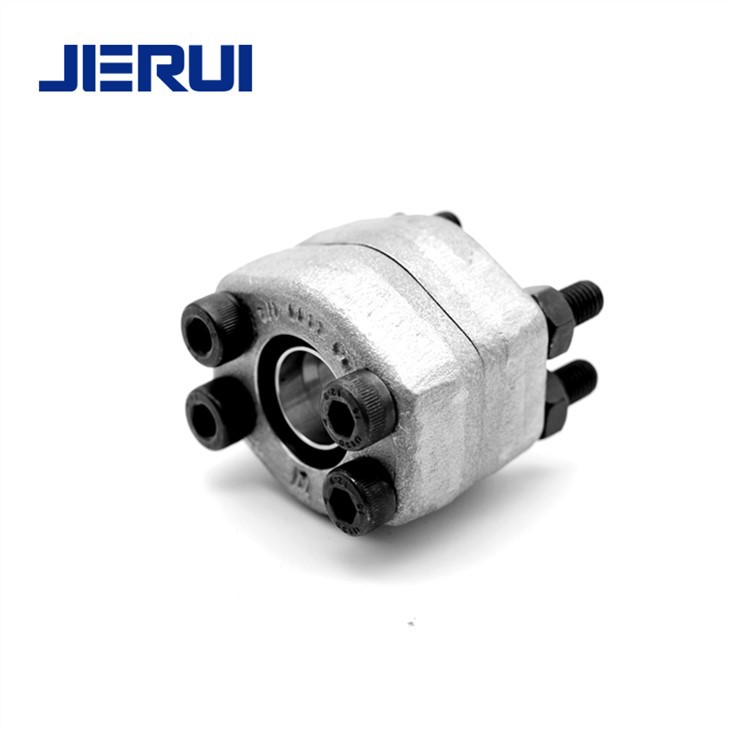
First off, let's talk about what a 37° flare flange is. It's a type of hydraulic fitting that uses a 37-degree flared end to create a seal. These flanges are commonly used in high-pressure hydraulic systems, like those in construction equipment, agricultural machinery, and industrial applications.
Material Standards
One of the key aspects of 37° flare flanges is the material they're made from. Usually, they're crafted from high-quality materials to ensure durability and performance. Stainless steel is a popular choice because it's corrosion-resistant, which is super important in hydraulic systems that might be exposed to harsh environments. Carbon steel is also used, especially when cost is a factor. It offers good strength but may need some form of coating to prevent rust.
Dimensional Standards
Dimensional accuracy is crucial for 37° flare flanges. The 37-degree flare angle has to be precise. Even a small deviation can lead to leaks in the hydraulic system. The outer diameter, inner diameter, and length of the flange also need to meet specific standards. These dimensions are standardized to ensure compatibility with other components in the hydraulic system. For example, the size of the flange has to match the size of the hydraulic hose or tube it's going to be connected to.

Pressure Rating Standards
Another important standard is the pressure rating. 37° flare flanges are designed to handle different levels of pressure. The pressure rating depends on factors like the material, the size of the flange, and the manufacturing process. High-pressure applications require flanges with a higher pressure rating. It's essential to choose the right pressure-rated flange for your hydraulic system to avoid failures. For instance, in a high-pressure hydraulic pump system, you'd need a flange that can withstand the intense pressure without leaking or breaking.
Sealing Standards
Sealing is a big deal when it comes to 37° flare flanges. A proper seal prevents hydraulic fluid from leaking out, which can not only cause a mess but also lead to a loss of system efficiency. There are different types of seals used with these flanges. One common type is the O-ring seal. You can check out more about SAE 37° Flare Flange O-ring Seal. The O-ring creates a tight seal between the flange and the mating component. The quality of the O-ring and how it's installed are important for a good seal.
Manufacturing Standards
The manufacturing process of 37° flare flanges also has its own set of standards. Precision machining is used to create the 37-degree flare angle and the other dimensions. The surface finish of the flange is also important. A smooth surface helps in creating a better seal. Heat treatment may be applied to improve the strength and hardness of the flange. Quality control measures are in place to ensure that each flange meets the required standards.
Industry Standards and Certifications
There are several industry standards that 37° flare flanges need to comply with. For example, the Society of Automotive Engineers (SAE) has set standards for these flanges. Meeting these standards ensures that the flanges are of high quality and can be used in a wide range of applications. Certifications from recognized organizations are a good indication that the flanges meet the required standards.
Compatibility with Other Components
37° flare flanges need to be compatible with other components in the hydraulic system. They should fit well with hydraulic hoses, tubes, and other fittings. This compatibility is ensured through standardized dimensions and connection methods. You can find more about Flared Flange and 37 Degree Flare Flange to understand their compatibility better.
Importance of Meeting Standards
Meeting the standards for 37° flare flanges is essential for the safety and efficiency of hydraulic systems. A flange that doesn't meet the standards can lead to leaks, which can cause damage to the equipment, increase maintenance costs, and even pose a safety risk. By using flanges that meet the standards, you can ensure the reliable operation of your hydraulic system.
How We Ensure Standards as a Supplier
As a supplier of 37° flare flanges, we take these standards very seriously. We source high-quality materials from trusted suppliers. Our manufacturing process is carefully monitored to ensure dimensional accuracy and proper heat treatment. We have a strict quality control system in place to check each flange before it leaves our facility. We also keep up with the latest industry standards and make sure our products are always compliant.
Why Choose Our 37° Flare Flanges
When you choose our 37° flare flanges, you're getting products that meet all the necessary standards. Our flanges are made with high-quality materials, have precise dimensions, and are tested for pressure and sealing performance. We offer a wide range of sizes and pressure ratings to suit different applications. Whether you're working on a small hydraulic project or a large industrial system, we have the right flange for you.
Contact Us for Your Flange Needs
If you're in the market for 37° flare flanges, we'd love to hear from you. We can provide you with detailed information about our products, help you choose the right flange for your application, and offer competitive prices. Just reach out to us, and we'll be happy to assist you with your procurement and get into a great business discussion.
References
- "Hydraulic Fitting Handbook" - A comprehensive guide on hydraulic fittings and their standards.
- Society of Automotive Engineers (SAE) standards related to 37° flare flanges.