


As a supplier of SAE Metric Threaded Flanges, I often encounter inquiries from customers regarding the differences between Class 1 and Class 2 SAE Metric Threaded Flanges. In this blog post, I will delve into the key distinctions between these two classes to help you make an informed decision for your specific applications.
Design and Structural Differences
One of the primary differences between Class 1 and Class 2 SAE Metric Threaded Flanges lies in their design and structural characteristics. Class 1 flanges are typically designed for lower pressure applications. They have a relatively simpler structure, with fewer complex features. The threads on Class 1 flanges are generally less precise and may have a looser fit compared to Class 2 flanges. This makes them more suitable for applications where the pressure is not extremely high and a certain degree of flexibility in the connection is acceptable.
On the other hand, Class 2 SAE Metric Threaded Flanges are engineered for higher pressure environments. They feature a more robust design with tighter tolerances on the threads. The flanges are often thicker and more rigid, which allows them to withstand greater forces without deforming. The precision of the threads ensures a more secure and leak - free connection, which is crucial in high - pressure systems.
Pressure Ratings
Pressure rating is a critical factor when choosing between Class 1 and Class 2 SAE Metric Threaded Flanges. Class 1 flanges are rated for lower pressures, usually up to a certain limit that is suitable for light - duty hydraulic systems or applications where the pressure does not exceed a moderate level. For example, in some industrial settings where the hydraulic pressure is relatively low, such as in small - scale manufacturing equipment or simple hydraulic lifting devices, Class 1 flanges can provide a cost - effective solution.
Class 2 flanges, however, are designed to handle much higher pressures. They are commonly used in heavy - duty hydraulic systems, such as those found in large construction machinery, mining equipment, and high - performance industrial presses. The higher pressure ratings of Class 2 flanges make them essential for applications where the safety and reliability of the hydraulic system are of utmost importance.
Sealing Performance
Sealing performance is another significant difference between the two classes of flanges. Class 1 flanges may use standard sealing methods, such as O - rings or simple gasket materials. While these sealing methods can be effective in lower - pressure applications, they may not be sufficient in high - pressure environments. In some cases, the seals on Class 1 flanges may start to leak under higher pressures, which can lead to a loss of hydraulic fluid and potential damage to the system.
Class 2 SAE Metric Threaded Flanges often incorporate more advanced sealing technologies. They may use specialized gaskets or sealing rings that are designed to withstand high pressures and prevent leakage. The tighter fit of the threads on Class 2 flanges also contributes to better sealing performance. In high - pressure systems, a reliable seal is crucial to maintain the efficiency of the hydraulic system and prevent any safety hazards.
Applications
The differences in design, pressure ratings, and sealing performance naturally lead to different applications for Class 1 and Class 2 SAE Metric Threaded Flanges.
Class 1 flanges are commonly used in applications where the hydraulic pressure is relatively low and the cost is a significant consideration. Some examples include small - scale hydraulic power packs, agricultural machinery with low - pressure hydraulic systems, and some automotive hydraulic components. These applications do not require the high - performance capabilities of Class 2 flanges, and Class 1 flanges can provide a reliable and economical solution.
Class 2 flanges, on the other hand, are used in demanding applications where high pressure and reliability are essential. As mentioned earlier, they are widely used in heavy - duty construction and mining equipment, as well as in industrial processes that involve high - pressure hydraulic systems. For instance, in a large - scale hydraulic press used for metal forming, the Class 2 flanges ensure that the high - pressure hydraulic fluid is contained within the system and that the press operates smoothly and safely.
Compatibility with Other Components
When integrating SAE Metric Threaded Flanges into a hydraulic system, compatibility with other components is an important consideration. Class 1 flanges may be more compatible with less - precise or lower - performance hydraulic components. Since they are designed for lower pressures, they can be paired with other parts that are also rated for lower pressures, which can simplify the design and installation of the hydraulic system.
Class 2 flanges, due to their higher performance requirements, need to be paired with high - quality and high - performance hydraulic components. They are often used in conjunction with high - pressure pumps, valves, and hoses that are specifically designed to work under high - pressure conditions. Ensuring compatibility between Class 2 flanges and other components is crucial to the overall performance and safety of the hydraulic system.
Cost Considerations
Cost is always a factor in any purchasing decision. Class 1 SAE Metric Threaded Flanges are generally more affordable than Class 2 flanges. The simpler design, lower pressure ratings, and less precise manufacturing processes contribute to the lower cost. For applications where the pressure requirements are low and the budget is limited, Class 1 flanges are an attractive option.
Class 2 flanges, with their more complex design, higher pressure ratings, and tighter tolerances, come at a higher cost. However, in applications where the high - pressure performance and reliability are non - negotiable, the additional cost is often justified. The investment in Class 2 flanges can prevent costly downtime and repairs in the long run, especially in high - value equipment and critical industrial processes.
Related Products
In addition to Class 1 and Class 2 SAE Metric Threaded Flanges, there are other types of flanges that may be relevant to your hydraulic system needs. For example, the ISO 6164 Square Flange is a popular choice in some hydraulic applications. It has its own unique design and performance characteristics, which may be suitable for specific requirements.
The SAE Socket Weld Flange is another option. It is known for its strong and durable connection, which is achieved through the socket - weld joint. This type of flange can be used in both low - and high - pressure applications depending on its design and construction.
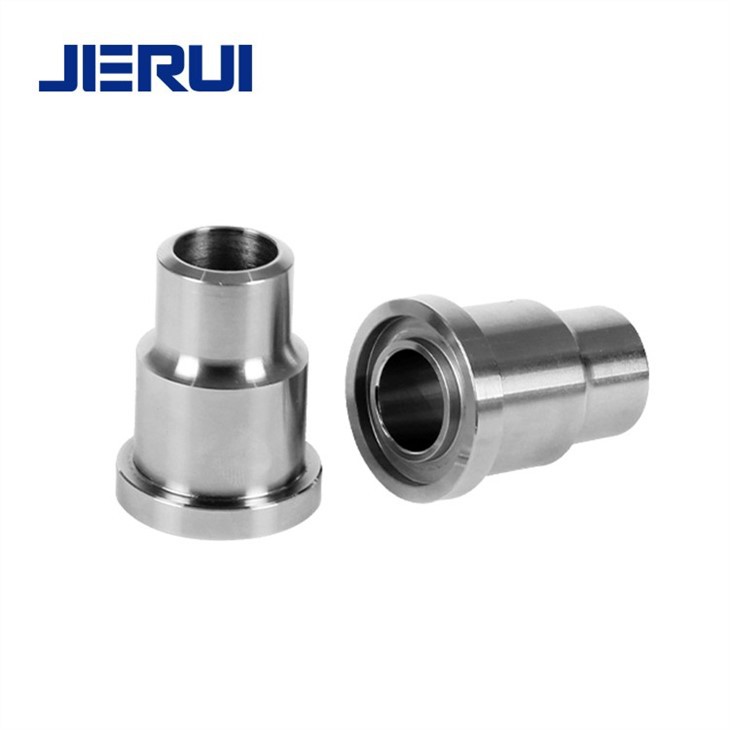

The SAE Flange Welding Couplings are also important components in hydraulic systems. They provide a reliable way to connect different parts of the hydraulic circuit, and their performance can vary depending on the specific design and class.
Conclusion
In conclusion, the differences between Class 1 and Class 2 SAE Metric Threaded Flanges are significant and should be carefully considered when selecting the appropriate flange for your hydraulic system. Class 1 flanges are suitable for lower - pressure, light - duty applications where cost is a major concern, while Class 2 flanges are essential for high - pressure, heavy - duty systems where safety and reliability are paramount.
If you are in the process of designing or upgrading a hydraulic system and need assistance in choosing the right SAE Metric Threaded Flanges, or if you have any questions about our products, please do not hesitate to contact us. We are here to provide you with professional advice and high - quality products to meet your specific needs.
References
- Hydraulic Flange Handbook, Industry Standard Publication
- Technical Manuals of SAE Metric Threaded Flanges Manufacturers