


Yo, folks! As a supplier of hydraulic flanges, I often get asked about the lifespan of these nifty little components. So, I thought I'd sit down and write a blog post to share what I know.
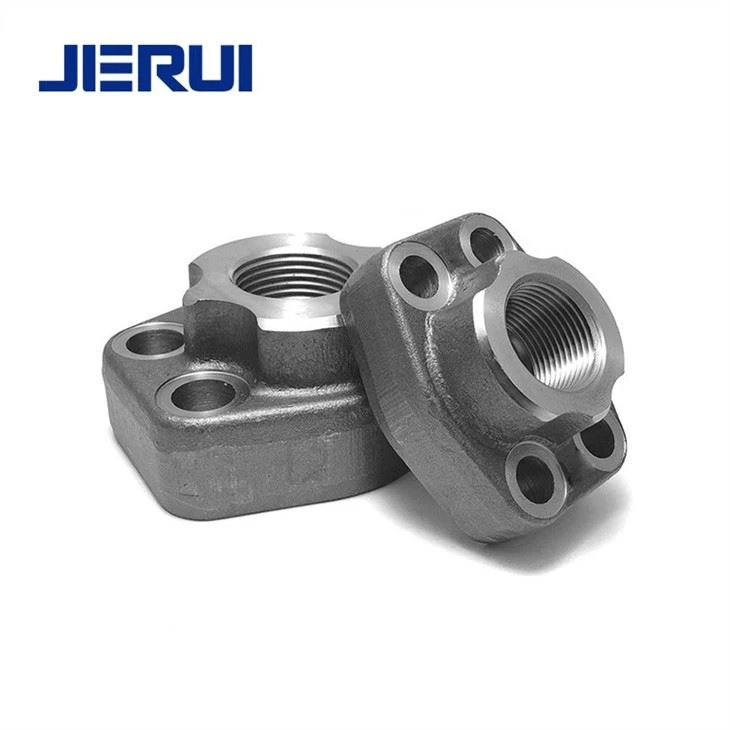

Let's start by understanding what a hydraulic flange is. A hydraulic flange is a crucial part of a hydraulic system. It's used to connect pipes, valves, pumps, and other components, creating a sealed and stable connection that can handle high - pressure hydraulic fluid. These flanges come in different types, like the SAE Socket Weld Flange, SAE Flange Welding Couplings, and SAE Threaded Flange. Each type has its own unique features and applications, but they all play a vital role in keeping the hydraulic system up and running.
Now, back to the main question: what's the lifespan of a hydraulic flange? Well, it's not a one - size - fits - all answer. There are several factors that can influence how long a hydraulic flange lasts.
1. Material Quality
The material used to make the hydraulic flange is a huge factor. High - quality materials, like stainless steel or alloy steel, are more resistant to corrosion, wear, and fatigue. For example, stainless steel flanges can withstand harsh environments, including exposure to moisture, chemicals, and high temperatures. They're less likely to rust or degrade over time, which means they can have a longer lifespan compared to flanges made from lower - quality materials. On the other hand, if a flange is made from a cheap or substandard material, it might start to show signs of wear and tear much sooner.
2. Operating Conditions
The conditions under which the hydraulic flange operates also have a big impact on its lifespan. If the flange is used in a high - pressure hydraulic system, it will be under more stress than one in a low - pressure system. High pressure can cause the flange to deform or crack over time, especially if it's not designed to handle such extreme conditions. Similarly, temperature can be a major factor. Extreme heat or cold can cause the material of the flange to expand or contract, which can lead to leaks or structural damage.
Another aspect of operating conditions is the type of hydraulic fluid used. Some fluids are more corrosive than others, and if the flange isn't compatible with the fluid, it can corrode and deteriorate quickly. For instance, if a flange made of a certain metal is exposed to a highly acidic hydraulic fluid, it might start to corrode within a short period.
3. Installation and Maintenance
Proper installation is key to ensuring a long lifespan for a hydraulic flange. If the flange isn't installed correctly, it can lead to uneven stress distribution, which can cause premature failure. For example, if the bolts aren't tightened to the correct torque, the flange might not form a proper seal, leading to leaks. And leaks can cause all sorts of problems, from loss of hydraulic fluid to damage to other components in the system.
Regular maintenance is also essential. This includes inspecting the flange for signs of wear, corrosion, or damage on a regular basis. If any issues are detected early, they can be addressed before they become major problems. Simple tasks like cleaning the flange and replacing gaskets when needed can go a long way in extending its lifespan.
Estimating the Lifespan
On average, a well - made and properly installed hydraulic flange in a normal operating environment can last anywhere from 5 to 15 years. However, this is just a rough estimate. In some cases, with ideal conditions and excellent maintenance, a flange could last even longer. Conversely, if the operating conditions are harsh and maintenance is lacking, the flange might need to be replaced in as little as a year or two.
For example, in a light - duty hydraulic system in a clean and controlled environment, where the flange is made of high - quality material and installed correctly, it could easily last 10 - 15 years. But in a heavy - duty industrial setting with high - pressure, high - temperature conditions and exposure to corrosive fluids, the lifespan might be closer to 5 years or less.
Tips to Extend the Lifespan
If you want to get the most out of your hydraulic flanges, here are some tips:
- Choose the Right Material: Make sure the material of the flange is suitable for the operating conditions. Consider factors like pressure, temperature, and the type of hydraulic fluid.
- Proper Installation: Have a professional install the flange to ensure it's done correctly. Follow the manufacturer's installation instructions carefully.
- Regular Inspections: Check the flange regularly for any signs of wear, corrosion, or damage. Look for leaks, cracks, or deformation.
- Fluid Compatibility: Use a hydraulic fluid that is compatible with the flange material. If you're unsure, consult the manufacturer.
- Maintenance Schedule: Establish a regular maintenance schedule. This could include cleaning the flange, tightening bolts, and replacing gaskets as needed.
Conclusion
So, there you have it, folks! The lifespan of a hydraulic flange depends on a variety of factors, including material quality, operating conditions, installation, and maintenance. By understanding these factors and taking the right steps, you can ensure that your hydraulic flanges last as long as possible.
If you're in the market for high - quality hydraulic flanges, whether it's the SAE Socket Weld Flange, SAE Flange Welding Couplings, or SAE Threaded Flange, we've got you covered. We offer a wide range of hydraulic flanges that are made from top - notch materials and designed to meet your specific needs. If you have any questions or want to discuss your requirements, don't hesitate to reach out. Let's start a conversation and find the perfect hydraulic flanges for your system.
References
- "Hydraulic System Design and Maintenance Handbook"
- Manufacturer's specifications for hydraulic flanges