


Hey there! As a supplier of ISO 6164 Square Flanges, I often get asked about the tolerance range for these flanges. So, I thought I'd write this blog post to share some insights and clear up any confusion.
First off, let's understand what ISO 6164 Square Flanges are. These flanges are widely used in hydraulic systems. They're designed to provide a secure and leak - free connection between different hydraulic components. The ISO 6164 standard sets out the specifications for these flanges to ensure compatibility and reliability across the industry.
Now, let's dive into the tolerance range. Tolerances are super important in manufacturing because they determine how well a part will fit and function. For ISO 6164 Square Flanges, there are several key dimensions with specific tolerance ranges.
1. Dimensions of the Flange Face
The flange face is the part that comes into contact with the mating component. The flatness of the flange face is crucial for a good seal. According to the ISO 6164 standard, the flatness tolerance is usually within a very tight range. For example, in most cases, the maximum deviation from a perfectly flat surface should be no more than a few micrometers. This ensures that when the flange is bolted to another component, there are no gaps that could lead to fluid leakage.
The diameter of the bolt holes on the flange also has a tolerance range. The holes need to be the right size and in the correct position for the bolts to fit properly. The tolerance for the hole diameter is typically in the range of a few hundredths of a millimeter. This allows for some manufacturing variation while still ensuring that the bolts can be inserted and tightened without any issues.
2. Thickness of the Flange
The thickness of the ISO 6164 Square Flange is another critical dimension. It affects the strength and durability of the flange. The tolerance for the thickness is usually specified as a plus - minus value. For instance, if the nominal thickness of a flange is 20 mm, the tolerance might be ±0.5 mm. This means that the actual thickness of the flange can be anywhere between 19.5 mm and 20.5 mm and still be considered within the acceptable range according to the standard.
3. Outer Dimensions
The outer dimensions of the flange, such as the length and width, also have tolerance ranges. These dimensions are important for proper installation and for ensuring that the flange fits into the available space in the hydraulic system. The tolerance for the outer dimensions is generally a bit more lenient compared to the flatness and hole diameter tolerances. It can be in the range of a few tenths of a millimeter, depending on the size of the flange.
It's important to note that these tolerance ranges are set to maintain the quality and performance of the flanges. If a flange is out of tolerance, it might not work as intended. For example, if the flatness of the flange face is too far off, it could result in a poor seal, leading to hydraulic fluid leaks. This can cause all sorts of problems, from reduced system efficiency to complete system failure.
As a supplier, we take these tolerance ranges very seriously. We use advanced manufacturing techniques and precision measuring equipment to ensure that our ISO 6164 Square Flanges meet or exceed the standard requirements. Our quality control team checks every flange to make sure it falls within the specified tolerance ranges before it leaves our factory.
Now, let me tell you about some related products. If you're interested in other types of hydraulic flanges, we also offer SAE Flange Welding Couplings. These couplings are great for applications where a welded connection is required. They're designed to be strong and reliable, and they also follow strict quality standards.
Another option is the SAE Metric Threaded Flange. These flanges are easy to install and remove, making them a popular choice for many hydraulic systems. They have their own set of tolerance ranges, which are also carefully controlled during the manufacturing process.
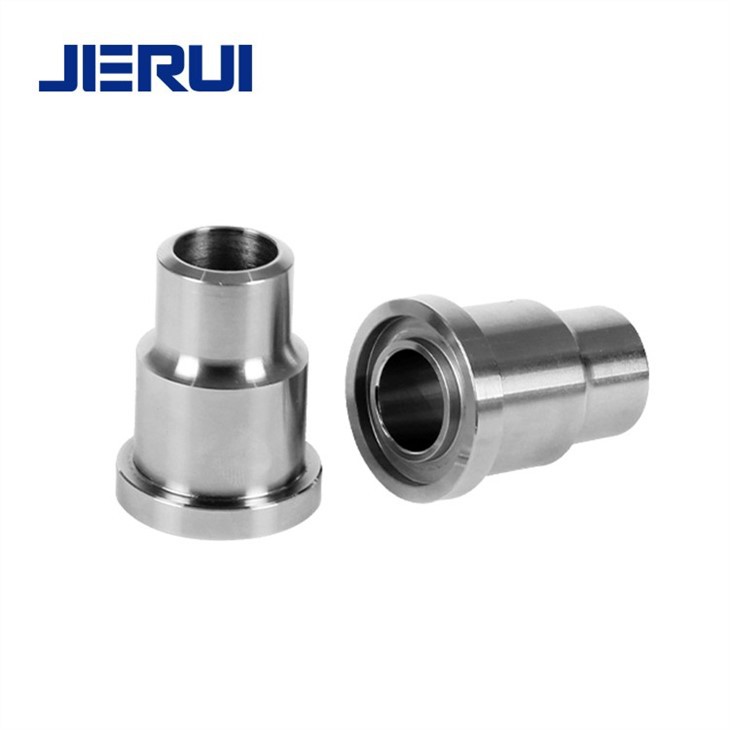

And if you need a flange that can be welded directly to the pipe, we have SAE Socket Weld Flange. These flanges are known for their high - strength connection and are often used in high - pressure hydraulic applications.
If you're in the market for ISO 6164 Square Flanges or any of our other hydraulic flange products, we'd love to hear from you. We can provide you with detailed product specifications, samples, and competitive pricing. Whether you're a small - scale workshop or a large industrial company, we have the products and expertise to meet your needs. Just reach out to us, and we'll start a conversation about how we can work together to solve your hydraulic connection problems.
In conclusion, understanding the tolerance range for ISO 6164 Square Flanges is essential for anyone involved in the hydraulic industry. These tight tolerances ensure the proper functioning and reliability of the flanges. As a supplier, we're committed to producing high - quality flanges that meet the strictest standards. So, if you're looking for top - notch ISO 6164 Square Flanges or other related products, don't hesitate to contact us for a procurement discussion.
References
- ISO 6164: International Standard for Square Flanges in Hydraulic Systems
- Manufacturer's Handbook for Hydraulic Flanges