


SAE flange clamps are crucial components in various industrial applications, especially in hydraulic systems. As a trusted SAE Flange Clamps supplier, I often receive inquiries about the materials used to manufacture these essential parts. In this blog, I'll delve into the common materials for SAE flange clamps, their properties, and why they are suitable for different environments.
1. Stainless Steel
Stainless steel is one of the most popular materials for SAE flange clamps. It is an alloy primarily composed of iron, carbon, and at least 10.5% chromium. The addition of chromium forms a passive oxide layer on the surface of the steel, which provides excellent corrosion resistance.
There are different grades of stainless steel used in manufacturing SAE flange clamps, such as 304 and 316. Grade 304 stainless steel is a general - purpose grade that offers good corrosion resistance in most environments. It contains approximately 18% chromium and 8% nickel. This grade is widely used in applications where the clamps are exposed to mild corrosive agents, such as in general industrial settings or in water - based hydraulic systems.
On the other hand, grade 316 stainless steel is more corrosion - resistant than 304. It contains molybdenum, usually around 2 - 3%, which enhances its resistance to pitting and crevice corrosion in chloride - rich environments. This makes 316 stainless steel SAE flange clamps ideal for marine applications, chemical processing plants, and other settings where the clamps may come into contact with saltwater or harsh chemicals.
The mechanical properties of stainless steel also make it suitable for SAE flange clamps. It has high strength, which allows the clamps to withstand the pressure and forces exerted in hydraulic systems. Additionally, stainless steel has good ductility, meaning it can be formed into the required shapes for the clamps without cracking or breaking.
2. Carbon Steel
Carbon steel is another commonly used material for SAE flange clamps. It is an alloy of iron and carbon, with carbon content typically ranging from 0.05% to 2.1%. The carbon content affects the strength and hardness of the steel.
Low - carbon steel, with a carbon content of less than 0.3%, is relatively soft and ductile. It is easy to machine and weld, making it a cost - effective option for SAE flange clamps. Low - carbon steel clamps are often used in applications where the pressure and stress levels are not extremely high, such as in some light - duty hydraulic systems or in non - critical applications.
Medium - carbon steel, with a carbon content between 0.3% and 0.6%, has higher strength and hardness than low - carbon steel. It can withstand higher pressures and forces, making it suitable for more demanding hydraulic applications. However, medium - carbon steel is less ductile than low - carbon steel, and it may require heat treatment to achieve the desired mechanical properties.

High - carbon steel, with a carbon content above 0.6%, is very hard and strong but less ductile. It is not commonly used for SAE flange clamps in their entirety due to its brittleness. However, it may be used in some components of the clamps where high wear resistance is required, such as in the teeth or gripping parts of the clamp.
One drawback of carbon steel is its susceptibility to corrosion. To address this issue, carbon steel SAE flange clamps are often coated or plated. Common coatings include zinc plating, which provides a sacrificial layer of protection against rust, and powder coating, which can offer both corrosion resistance and a decorative finish.
3. Aluminum
Aluminum is a lightweight and corrosion - resistant material that is also used in the manufacturing of SAE flange clamps. Aluminum alloys, such as 6061 and 7075, are commonly employed.
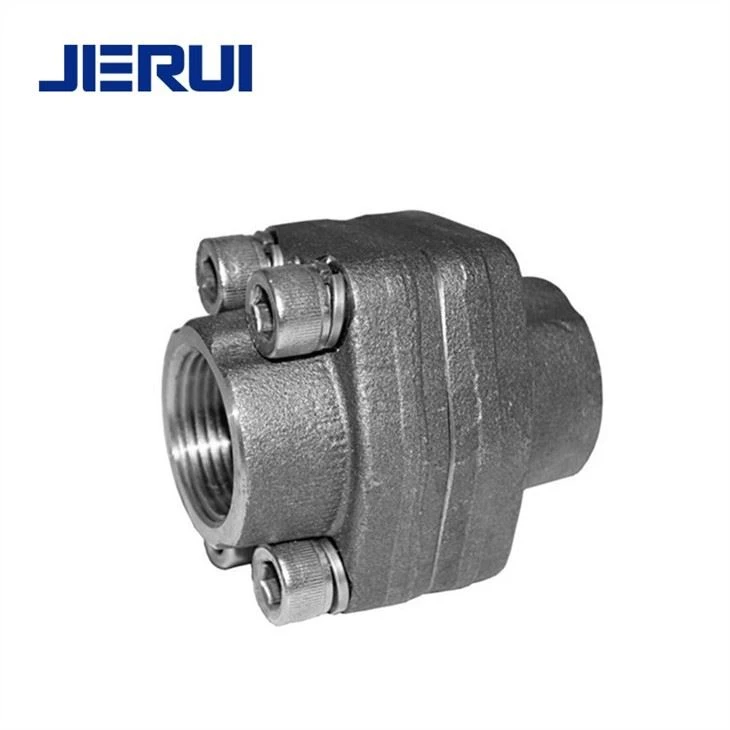
Alloy 6061 is a general - purpose aluminum alloy that offers a good combination of strength, corrosion resistance, and machinability. It contains magnesium and silicon as its main alloying elements. 6061 aluminum SAE flange clamps are suitable for applications where weight reduction is a priority, such as in aerospace or automotive hydraulic systems. The low density of aluminum reduces the overall weight of the system, which can improve fuel efficiency and performance.
Alloy 7075 is a high - strength aluminum alloy that contains zinc as the main alloying element. It has higher strength than 6061, making it suitable for more demanding applications where the clamps need to withstand high pressures and forces. However, 7075 aluminum is more expensive and less corrosion - resistant than 6061, and it may require special surface treatments to enhance its corrosion resistance.
Aluminum SAE flange clamps also have good thermal conductivity, which can be beneficial in applications where heat dissipation is important. Additionally, aluminum is non - magnetic, which can be an advantage in some electrical or electronic applications.
4. Brass
Brass is an alloy of copper and zinc, and it is also used to make SAE flange clamps. Brass has several properties that make it suitable for certain applications.

It has excellent corrosion resistance, especially in environments where copper - based alloys are resistant to corrosion, such as in freshwater or some mild chemical environments. Brass also has good electrical conductivity, which can be useful in applications where electrical grounding or conductivity is required.
Brass SAE flange clamps are relatively easy to machine, and they can be formed into complex shapes. They have a relatively low coefficient of friction, which can reduce wear and tear on the mating surfaces. However, brass is not as strong as steel or some high - strength aluminum alloys, so it is typically used in applications where the pressure and stress levels are relatively low.

Choosing the Right Material
When choosing the material for SAE flange clamps, several factors need to be considered. The operating environment is a crucial factor. If the clamps will be exposed to corrosive agents, such as saltwater or chemicals, stainless steel or brass may be the best choice. In applications where weight is a concern, aluminum may be preferred.
The pressure and stress levels in the hydraulic system also play a role. High - pressure systems may require clamps made of high - strength materials such as medium - carbon steel or high - strength aluminum alloys.
Cost is another important consideration. Carbon steel is generally the most cost - effective option, while high - strength aluminum alloys and some grades of stainless steel can be more expensive.
As a SAE Flange Clamps supplier, I can provide a wide range of clamps made from different materials to meet the diverse needs of my customers. Whether you need SAE Threaded Flange, SAE Socket Weld Flange, or ISO 6164 Square Flange clamps, I have the expertise and resources to deliver high - quality products.
If you are in the market for SAE flange clamps and need assistance in choosing the right material for your application, I encourage you to reach out. I'm here to provide you with detailed product information, technical support, and competitive pricing. Contact me to start a discussion about your specific requirements and let's find the perfect SAE flange clamps for your project.
References
- ASM Handbook, Volume 1: Properties and Selection: Irons, Steels, and High - Performance Alloys
- Aluminum Association: Technical Guides on Aluminum Alloys
- ASTM International Standards for Metals and Alloys