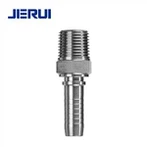
The various types of hydraulic pipe fittings commonly used
There are various hydraulic pipe fittings extensively utilized in hydraulic systems, each designed with unique features to cater to specific applications and requirements. Some of the most commonly employed hydraulic pipe fittings include:
Compression Fittings: These fittings use a mechanical compression method to create a seal, making them ideal for high-pressure applications.
BSP (British Standard Pipe) Fittings: Widely used in the UK and other regions, these fittings have a tapered or parallel thread design for joining pipes and providing leak-tight connections.
NPT (National Pipe Thread) Fittings: Commonly used in North America, NPT fittings feature a tapered thread design that provides a tight seal when twisted together.
Flange Fittings: These fittings consist of a flat surface with bolt holes, allowing for a secure connection between two pipes or components, often used in high-pressure applications.
Quick Couplings: Designed for rapid connection and disconnection, these fittings are particularly useful in mobile hydraulic systems where convenience and speed are crucial.
Push-to-Connect Fittings: These allow for easy connection and disconnection without the need for tools, making them suitable for quick assembly and maintenance.
Socket Weld Fittings: Used for high-pressure piping systems, these fittings involve welding a pipe to a fitting socket, providing strong and durable joints.
Swivel Joints: Allow for rotation and movement, which is essential in applications that require flexibility and motion.
Each type of hydraulic pipe fitting plays a vital role in ensuring the efficient and safe operation of hydraulic systems. Selecting the appropriate fitting depends on the specific demands of the application at hand.