


Hey there! I'm a supplier of SAE Flange Clamps, and I've been in this business for quite a while. One of the most common questions I get from customers is how to handle these clamps during transportation. Well, I'm here to share some tips and tricks based on my experience.
First off, let's talk about why proper handling during transportation is so important. SAE Flange Clamps are precision-engineered components that play a crucial role in hydraulic systems. Any damage during transit can compromise their performance and lead to costly repairs or replacements down the line. So, taking the right precautions is essential to ensure that these clamps arrive at their destination in perfect condition.
Packaging
The first step in handling SAE Flange Clamps during transportation is to package them properly. I always recommend using high-quality packaging materials that can provide adequate protection against shocks, vibrations, and moisture. Bubble wrap, foam inserts, and corrugated boxes are some of the materials I often use to package these clamps.
When packing the clamps, make sure to separate them from each other to prevent any scratching or damage. You can use dividers or individual compartments within the box to keep them organized. Also, label the package clearly with the product name, quantity, and any special handling instructions. This will help the shipping company handle the package correctly and ensure that it reaches its destination safely.
Securing the Clamps
Once the clamps are packaged, the next step is to secure them within the shipping container. This is especially important if you're shipping the clamps in bulk or if they're being transported on a pallet. You can use straps, bands, or shrink wrap to secure the packages in place and prevent them from shifting during transit.
If you're shipping the clamps on a pallet, make sure to use a pallet that's in good condition and can support the weight of the packages. You can also use corner protectors or edge boards to reinforce the pallet and prevent any damage to the packages. Additionally, make sure to stack the packages evenly on the pallet to distribute the weight evenly and prevent any tipping or shifting.
Choosing the Right Shipping Method
The shipping method you choose can also have a significant impact on how the SAE Flange Clamps are handled during transportation. When selecting a shipping method, consider factors such as the distance, the size and weight of the package, and the delivery time.
For short distances, ground shipping is usually the most cost-effective option. However, if you need the clamps to be delivered quickly, you may want to consider air shipping. Air shipping is faster but more expensive than ground shipping, so it's important to weigh the cost against the urgency of the delivery.

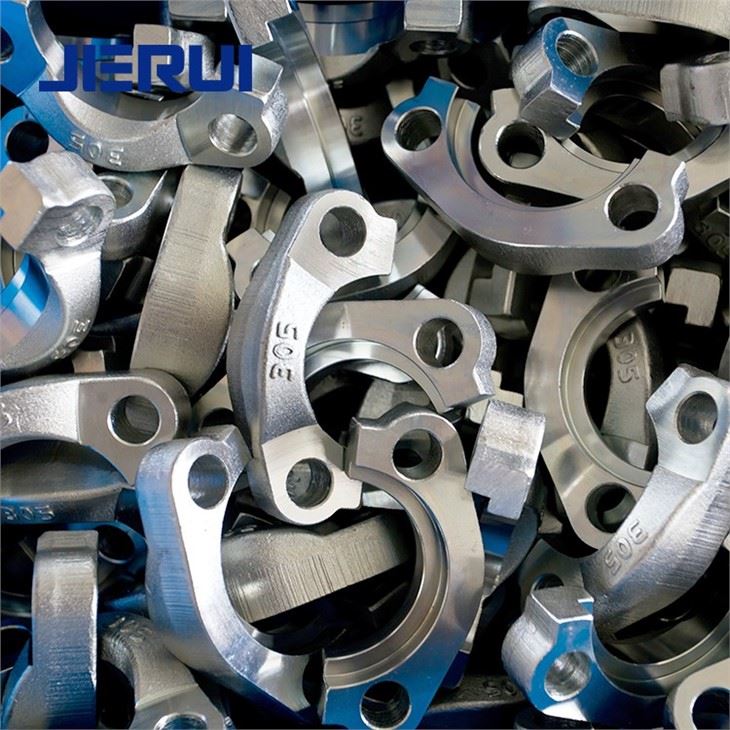
Another option to consider is using a freight forwarder. Freight forwarders are companies that specialize in arranging the transportation of goods. They can help you choose the right shipping method, negotiate the best rates, and handle all the paperwork and logistics involved in the shipping process. Using a freight forwarder can save you time and money and ensure that your SAE Flange Clamps are handled properly during transportation.
Handling Special Situations
Sometimes, you may encounter special situations during transportation that require extra care and attention. For example, if you're shipping the clamps to a location with extreme temperatures or humidity, you may need to take additional precautions to protect them.
In hot and humid climates, moisture can cause the clamps to rust or corrode. To prevent this, you can use desiccants or moisture-absorbing materials in the package. You can also choose a shipping method that provides climate-controlled transportation to ensure that the clamps are kept in a stable environment.
On the other hand, if you're shipping the clamps to a cold climate, you need to make sure that they're protected from freezing temperatures. You can use insulation materials or heating elements in the package to keep the clamps warm. Additionally, make sure to choose a shipping method that can deliver the package quickly to minimize the time the clamps are exposed to the cold.
Inspecting the Clamps Upon Arrival
Once the SAE Flange Clamps arrive at their destination, it's important to inspect them carefully to make sure they're in good condition. Check for any signs of damage, such as scratches, dents, or rust. If you notice any damage, document it immediately and contact the shipping company to file a claim.
It's also a good idea to test the clamps to make sure they're working properly. You can do this by installing them in a hydraulic system and checking for any leaks or other issues. If you encounter any problems, contact me, and I'll be happy to help you troubleshoot and find a solution.
Conclusion
Handling SAE Flange Clamps during transportation requires careful planning and attention to detail. By following the tips and tricks I've shared in this blog post, you can ensure that your clamps arrive at their destination in perfect condition. Remember, proper handling during transportation is not only important for the performance of the clamps but also for your bottom line. By avoiding damage and delays, you can save time and money and keep your customers happy.
If you're interested in purchasing SAE Flange Clamps or have any questions about handling them during transportation, feel free to contact me for more information. I'm always here to help and provide you with the best products and services.
References
- Industry best practices for packaging and shipping precision components.
- Personal experience as a supplier of SAE Flange Clamps.