


Hey there! As a supplier of ISO 6164 Flare Flanges, I often get asked about the materials commonly used for these flanges. So, I thought I'd write this blog to share some insights on the topic.
Why Material Matters
First off, let's talk about why the choice of material for ISO 6164 Flare Flanges is such a big deal. These flanges are used in hydraulic systems, where they need to withstand high pressures, resist corrosion, and ensure a tight seal. The wrong material can lead to leaks, system failures, and even safety hazards. So, picking the right one is crucial.
Commonly Used Materials
Carbon Steel
Carbon steel is one of the most widely used materials for ISO 6164 Flare Flanges. It's strong, durable, and relatively inexpensive. Carbon steel flanges can handle high pressures and are suitable for a variety of hydraulic applications. They're also easy to machine, which makes them a popular choice for manufacturers.
One of the main advantages of carbon steel is its strength. It can withstand a lot of stress without deforming or breaking. This makes it ideal for use in high-pressure hydraulic systems, where the flanges need to hold up under extreme conditions.
However, carbon steel is prone to corrosion, especially in wet or humid environments. To prevent corrosion, carbon steel flanges are often coated with a protective layer, such as zinc or epoxy. This helps to extend their lifespan and keep them in good working condition.

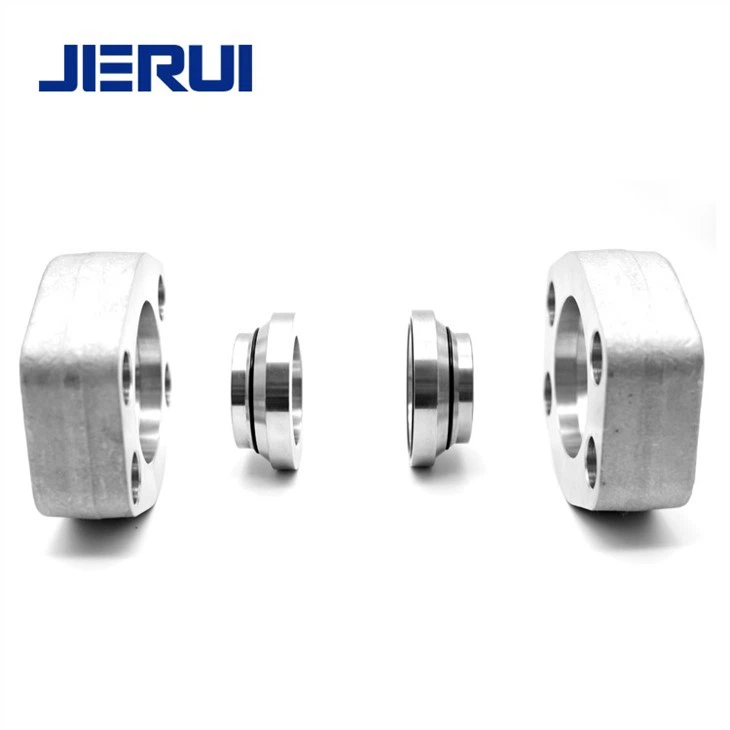
Stainless Steel
Stainless steel is another popular choice for ISO 6164 Flare Flanges. It's known for its excellent corrosion resistance, which makes it suitable for use in harsh environments. Stainless steel flanges are often used in marine applications, chemical processing plants, and other industries where corrosion is a major concern.
In addition to its corrosion resistance, stainless steel is also strong and durable. It can handle high pressures and is resistant to wear and tear. This makes it a reliable choice for hydraulic systems that require long-term performance.
There are different grades of stainless steel available, each with its own properties and characteristics. For ISO 6164 Flare Flanges, the most commonly used grades are 304 and 316. Grade 304 is a general-purpose stainless steel that offers good corrosion resistance and strength. Grade 316, on the other hand, contains molybdenum, which gives it enhanced corrosion resistance, especially in chloride-rich environments.
Aluminum
Aluminum is a lightweight and corrosion-resistant material that is sometimes used for ISO 6164 Flare Flanges. It's a good choice for applications where weight is a concern, such as in aerospace or automotive industries. Aluminum flanges are also easy to install and can be a cost-effective option for certain hydraulic systems.
One of the main advantages of aluminum is its low weight. This can help to reduce the overall weight of the hydraulic system, which can improve fuel efficiency and performance. Aluminum is also a good conductor of heat, which can help to dissipate heat from the hydraulic system and prevent overheating.
However, aluminum is not as strong as carbon steel or stainless steel. It may not be suitable for high-pressure applications or environments where the flanges are subjected to a lot of stress. Additionally, aluminum is more expensive than carbon steel, which can make it a less cost-effective option for some applications.
Material Selection Considerations
When choosing the material for ISO 6164 Flare Flanges, there are several factors to consider. Here are some of the key considerations:
- Application Requirements: The first thing to consider is the specific requirements of the hydraulic application. This includes the pressure, temperature, and environmental conditions that the flanges will be exposed to. For example, if the application involves high pressures, carbon steel or stainless steel may be the best choice. If corrosion resistance is a major concern, stainless steel or aluminum may be more suitable.
- Cost: Cost is always a factor when choosing materials. Carbon steel is generally the least expensive option, followed by aluminum and then stainless steel. However, it's important to consider the long-term costs as well. For example, a more expensive material may last longer and require less maintenance, which can save money in the long run.
- Availability: The availability of the material is also an important consideration. Some materials may be more readily available than others, depending on the location and the supplier. It's important to choose a material that is easily accessible to ensure timely delivery and avoid delays in the production process.
- Compatibility: The material of the flanges should be compatible with the other components of the hydraulic system. This includes the tubing, fittings, and seals. Using incompatible materials can lead to corrosion, leaks, and other problems. It's important to consult with a hydraulic system expert or the manufacturer to ensure that the materials are compatible.
Our Product Offerings
As a supplier of ISO 6164 Flare Flanges, we offer a wide range of products made from different materials. Whether you need carbon steel, stainless steel, or aluminum flanges, we've got you covered. Our flanges are designed and manufactured to meet the highest quality standards, ensuring reliable performance and long service life.
We also offer custom solutions to meet your specific requirements. If you have a unique application or need a special size or configuration of flanges, our team of experts can work with you to develop a customized solution.
In addition to ISO 6164 Flare Flanges, we also offer related products such as Steel Tube Assembly, SAE 37° Flare Flange, and SAE 37° Flare Flange O-ring Seal. These products are designed to work together seamlessly to provide a complete hydraulic system solution.
Conclusion
Choosing the right material for ISO 6164 Flare Flanges is essential for the performance and reliability of hydraulic systems. Carbon steel, stainless steel, and aluminum are the most commonly used materials, each with its own advantages and disadvantages. When selecting the material, it's important to consider the application requirements, cost, availability, and compatibility.
As a supplier of ISO 6164 Flare Flanges, we're committed to providing high-quality products and excellent customer service. If you're in the market for flanges or have any questions about our products, don't hesitate to reach out. We'd be happy to discuss your needs and help you find the right solution for your hydraulic system.
References
- "Hydraulic Flange Fittings: Selection and Installation Guide," Hydraulics & Pneumatics Magazine
- "Materials for Hydraulic System Components," ASME Handbook on Hydraulic Systems