


Hey there! As a supplier of ISO 6164 Flare Flanges, I've seen my fair share of issues with flange leakage. It's a common headache in the hydraulic industry, but don't worry - I'm here to share some tips on how to prevent it.
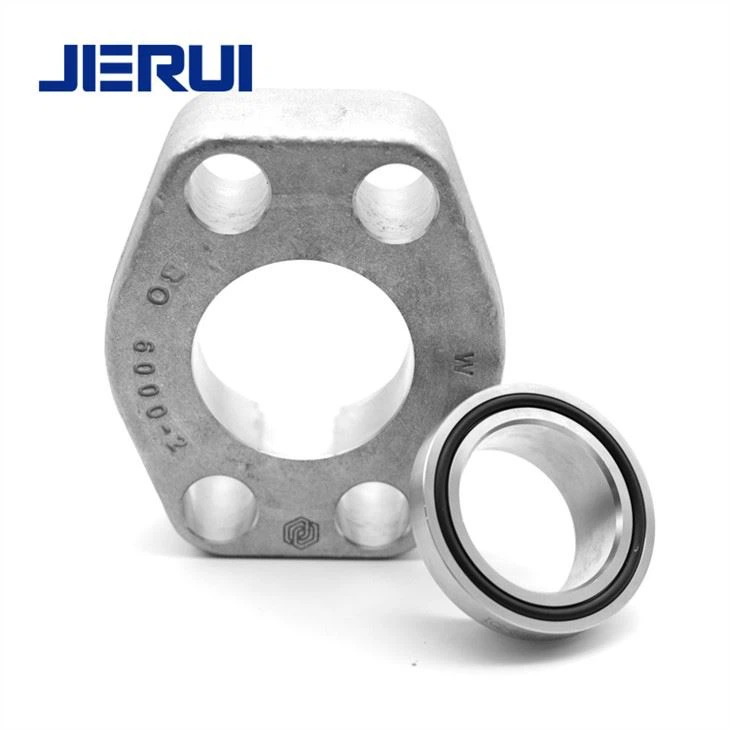
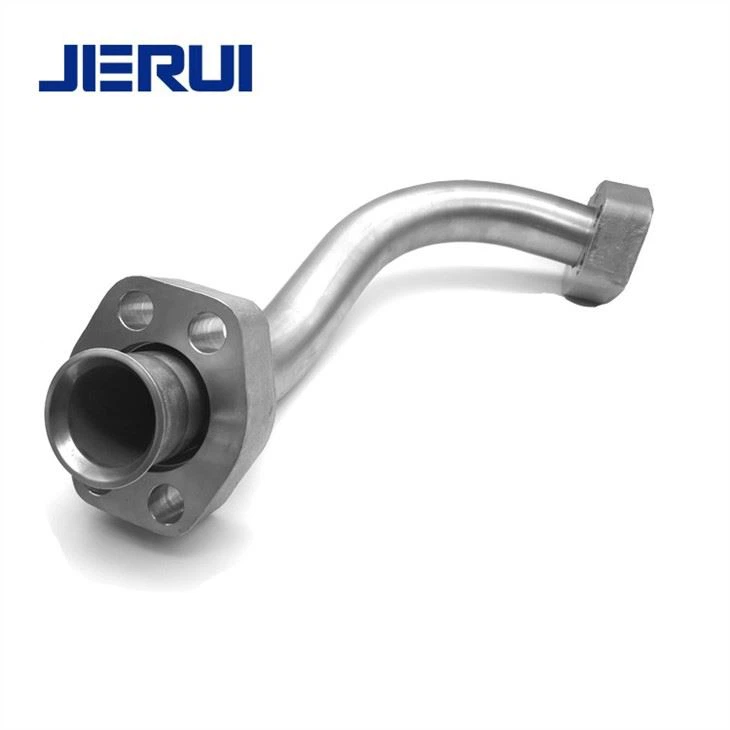
First off, let's understand what ISO 6164 Flare Flanges are. These flanges are used in hydraulic systems to connect pipes and hoses. They have a 37-degree flare design, which provides a tight seal when properly installed. You can check out more about 37 Degree Flare Flange on our website.
Now, onto the main topic - preventing leakage. One of the most important factors is proper installation. If the flange isn't installed correctly, it can lead to leaks. Here are some steps to ensure a proper installation:
1. Surface Preparation
Before installing the flange, make sure the mating surfaces are clean and free of any debris, rust, or burrs. Even a small piece of dirt can prevent a proper seal. Use a clean cloth or a mild solvent to clean the surfaces. If there's any rust, you can use a wire brush to remove it.
2. Torqueing
Proper torqueing is crucial. Over-tightening can damage the flange or the gasket, while under-tightening can result in a leak. Refer to the manufacturer's specifications for the correct torque value. Use a torque wrench to ensure accurate torqueing. For example, if the specification says to torque the bolts to 50 Nm, make sure you reach that exact value.
3. Gasket Selection
Choosing the right gasket is also important. The gasket should be compatible with the fluid in the hydraulic system and the operating conditions. There are different types of gaskets available, such as rubber, metal, and composite gaskets. Consider factors like temperature, pressure, and chemical compatibility when selecting a gasket. You can find more information about Flared Flange and the appropriate gaskets on our site.
4. Alignment
Ensure that the flange and the mating component are properly aligned. Misalignment can cause uneven stress on the gasket and lead to leaks. Use alignment tools if necessary to make sure everything is in place.
In addition to proper installation, regular maintenance is also key to preventing leakage. Here are some maintenance tips:
1. Inspection
Regularly inspect the flanges for any signs of wear, damage, or leakage. Look for cracks, corrosion, or loose bolts. If you notice any issues, address them immediately. For example, if a bolt is loose, tighten it to the correct torque.
2. Fluid Analysis
Periodically analyze the hydraulic fluid. Contaminated fluid can cause damage to the flanges and gaskets. If the fluid is dirty or has a high water content, it may need to be changed.
3. Seal Replacement
Over time, the gaskets and seals will wear out. Replace them at regular intervals according to the manufacturer's recommendations. Don't wait until a leak occurs to replace the seals.
Another factor that can contribute to leakage is improper handling and storage of the flanges. Here's what you need to keep in mind:
1. Handling
When handling the flanges, be careful not to drop or damage them. Use proper lifting equipment if needed. Avoid hitting the flanges against hard surfaces, as this can cause dents or cracks.
2. Storage
Store the flanges in a clean, dry place. Protect them from moisture, dust, and other contaminants. If possible, store them in a sealed container or a plastic bag.
Now, let's talk about the importance of using high-quality ISO 6164 Flare Flanges. At our company, we take pride in providing top-notch flanges that meet the ISO 6164 standards. Our ISO 6164 Flare Flange Flat is made from high-quality materials and undergoes strict quality control. Using high-quality flanges can significantly reduce the risk of leakage and ensure the long-term performance of your hydraulic system.
In conclusion, preventing leakage of ISO 6164 Flare Flanges requires proper installation, regular maintenance, and high-quality products. By following these tips, you can minimize the chances of leaks and keep your hydraulic system running smoothly.
If you're in the market for ISO 6164 Flare Flanges or have any questions about preventing leakage, feel free to reach out to us. We're here to help you with your procurement needs and ensure you get the best products for your hydraulic systems. Let's start a conversation and find the right solutions for you!
References
- Hydraulic System Handbook
- ISO 6164 Standards Documentation