


As a seasoned supplier of BSP hose fittings, I often get asked about the maximum flow rate through these essential components. In this blog post, I'll delve into the factors that influence the flow rate, provide some practical guidelines, and highlight the importance of choosing the right BSP hose fittings for your specific application.
Understanding BSP Hose Fittings
Before we dive into the maximum flow rate, let's briefly review what BSP hose fittings are. BSP stands for British Standard Pipe, which is a set of technical standards for screw threads commonly used in the United Kingdom and many other countries. BSP hose fittings are designed to connect hoses and pipes in hydraulic systems, ensuring a secure and leak-free connection.

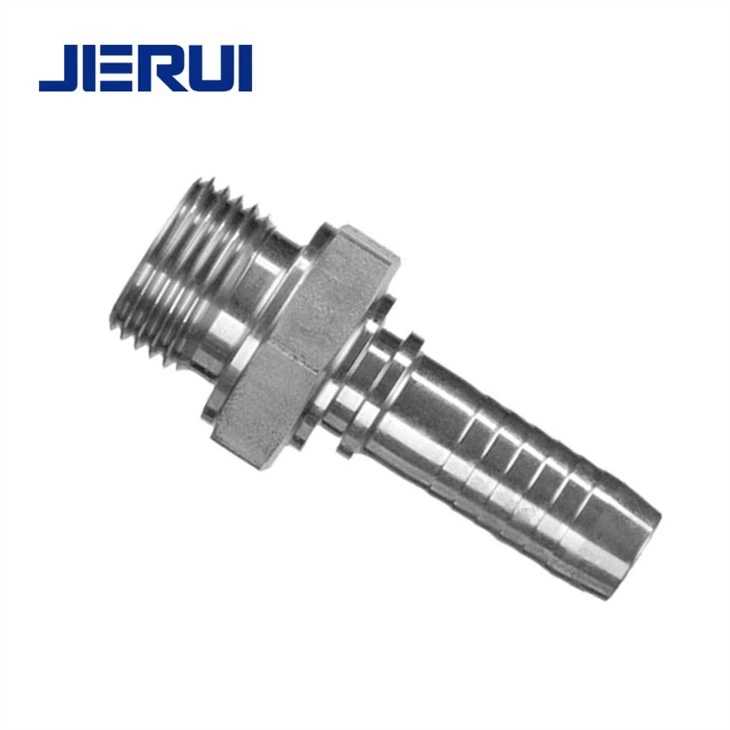
There are several types of BSP hose fittings available, each with its own unique features and applications. Some of the most common types include Female 60° Cone Inserts BSP, 90° Female 60° Cone Inserts BSP, and BSP Male 60° Cone Seat. These fittings are typically made from high-quality materials such as steel, brass, or stainless steel to ensure durability and resistance to corrosion.
Factors Affecting Flow Rate
The maximum flow rate through BSP hose fittings is influenced by several factors, including the size of the fitting, the type of fluid being transported, the pressure of the system, and the length and diameter of the hose. Let's take a closer look at each of these factors:
- Fitting Size: The size of the BSP hose fitting plays a crucial role in determining the flow rate. Generally, larger fittings have a higher flow capacity than smaller ones. This is because larger fittings have a larger internal diameter, which allows for a greater volume of fluid to pass through.
- Fluid Type: The type of fluid being transported also affects the flow rate. Different fluids have different viscosities, which is a measure of their resistance to flow. Fluids with a higher viscosity, such as oil or grease, will flow more slowly through the fittings than fluids with a lower viscosity, such as water or air.
- System Pressure: The pressure of the system is another important factor to consider. Higher pressures can increase the flow rate through the fittings, but they can also put more stress on the fittings and the hoses. It's important to choose fittings that are rated for the maximum pressure of your system to ensure safe and reliable operation.
- Hose Length and Diameter: The length and diameter of the hose can also affect the flow rate. Longer hoses and smaller diameters will result in a higher resistance to flow, which can reduce the flow rate. It's important to choose hoses that are the appropriate length and diameter for your application to minimize pressure drop and ensure efficient operation.
Calculating Maximum Flow Rate
Calculating the maximum flow rate through BSP hose fittings can be a complex process, as it involves taking into account all of the factors mentioned above. However, there are some general guidelines that can help you estimate the flow rate based on the size of the fitting and the type of fluid being transported.

One common method for calculating the flow rate is to use the following formula:
Q = Cv * √(ΔP / SG)
Where:
- Q is the flow rate in gallons per minute (GPM)
- Cv is the flow coefficient of the fitting
- ΔP is the pressure drop across the fitting in pounds per square inch (PSI)
- SG is the specific gravity of the fluid
The flow coefficient (Cv) is a measure of the fitting's ability to allow fluid to flow through it. It is typically provided by the manufacturer and can vary depending on the size and type of fitting. The specific gravity (SG) is a measure of the fluid's density relative to water. It can also vary depending on the type of fluid being transported.
Let's take a look at an example to illustrate how this formula works. Suppose you have a BSP Male 60° Cone Seat fitting with a Cv of 10 and you are transporting water with a specific gravity of 1.0. If the pressure drop across the fitting is 10 PSI, the flow rate can be calculated as follows:
Q = 10 * √(10 / 1.0) = 10 * √10 = 10 * 3.16 = 31.6 GPM
Keep in mind that this is just an estimate, and the actual flow rate may vary depending on other factors such as the length and diameter of the hose, the type of fluid being transported, and the pressure of the system.
Choosing the Right BSP Hose Fittings
Choosing the right BSP hose fittings for your application is essential to ensure optimal performance and reliability. Here are some tips to help you make the right choice:
- Consider the Application: Before selecting a fitting, it's important to consider the specific application and the requirements of your system. This includes factors such as the type of fluid being transported, the pressure of the system, the temperature range, and the environmental conditions.
- Choose the Right Size: As mentioned earlier, the size of the fitting plays a crucial role in determining the flow rate. It's important to choose a fitting that is the appropriate size for your application to ensure efficient operation.
- Select the Right Material: BSP hose fittings are typically made from a variety of materials, including steel, brass, and stainless steel. The material you choose will depend on the specific application and the requirements of your system. For example, if you are transporting a corrosive fluid, you may want to choose a fitting made from stainless steel.
- Check the Compatibility: It's important to ensure that the fitting you choose is compatible with the hose and the other components of your system. This includes factors such as the thread size, the fitting type, and the sealing method.
- Look for Quality: When choosing BSP hose fittings, it's important to look for high-quality products that are manufactured to strict standards. This will ensure that the fittings are durable, reliable, and leak-free.
Conclusion
In conclusion, the maximum flow rate through BSP hose fittings is influenced by several factors, including the size of the fitting, the type of fluid being transported, the pressure of the system, and the length and diameter of the hose. By understanding these factors and following the guidelines outlined in this blog post, you can choose the right BSP hose fittings for your application and ensure optimal performance and reliability.
If you have any questions or need further assistance in choosing the right BSP hose fittings for your application, please don't hesitate to contact us. We are a leading supplier of BSP hose fittings and have extensive experience in providing high-quality products and solutions to our customers. We look forward to working with you and helping you meet your hydraulic system needs.
References
- Hydraulic Fitting Handbook, Parker Hannifin Corporation
- Fluid Power Technology, Donald G. Fenton
- Handbook of Hydraulic Fluid Technology, George Totten