




When it comes to high - pressure applications, choosing the right fittings is crucial. As a long - time supplier of stainless steel fittings, I've witnessed firsthand the importance of making the correct selection for these demanding environments. In this blog, I'll delve into whether stainless steel fittings are suitable for high - pressure applications, exploring their properties, advantages, and potential limitations.
Properties of Stainless Steel Fittings
Stainless steel is an alloy primarily composed of iron, with a minimum of 10.5% chromium content. This chromium forms a thin, invisible layer of chromium oxide on the surface of the steel, which is self - healing and provides excellent corrosion resistance. In high - pressure applications, corrosion can be a major concern as it can weaken the fittings over time, leading to leaks or even catastrophic failures.

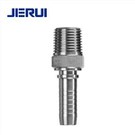
The high strength - to - weight ratio of stainless steel is another significant advantage. It can withstand high pressures without being overly heavy, which is beneficial in applications where weight is a consideration, such as in aerospace or automotive industries. Additionally, stainless steel has good ductility, meaning it can be formed into various shapes and sizes without losing its structural integrity. This allows for the production of a wide range of fitting designs, including [DIN Bite Type Tube Fitting](/stainless - steel - fitting/din - bite - type - tube - fitting.html) and [24 Degree Flareless Fittings](/stainless - steel - fitting/24 - degree - flareless - fittings.html), which are commonly used in high - pressure systems.
Advantages of Stainless Steel Fittings in High - Pressure Applications
Corrosion Resistance
As mentioned earlier, the corrosion resistance of stainless steel is a game - changer in high - pressure applications. In industries such as oil and gas, chemical processing, and marine, where the fittings are exposed to harsh chemicals, saltwater, and other corrosive substances, stainless steel fittings can last significantly longer than fittings made from other materials. For example, in offshore oil rigs, where the fittings are constantly exposed to saltwater spray and high - pressure hydraulic fluids, stainless steel fittings can resist corrosion for years, reducing maintenance costs and downtime.
High Strength
Stainless steel has high tensile strength, which enables it to withstand high internal pressures. This is essential in applications such as high - pressure hydraulic systems, where pressures can reach thousands of pounds per square inch (psi). The strength of stainless steel fittings ensures that they can maintain their integrity under these extreme conditions, preventing leaks and ensuring the safety of the entire system.
Temperature Resistance
Stainless steel can maintain its mechanical properties over a wide range of temperatures. In high - pressure applications where temperature fluctuations are common, such as in power generation plants or industrial furnaces, stainless steel fittings can perform reliably. They can withstand both high - temperature environments, where other materials may deform or lose their strength, and low - temperature conditions, where brittleness can be a concern.
Compatibility
Stainless steel is compatible with a wide variety of fluids and gases. Whether it's water, oil, natural gas, or chemical solvents, stainless steel fittings can handle them without reacting or degrading. This makes them a versatile choice for different high - pressure applications across various industries.
Potential Limitations
While stainless steel fittings offer many advantages for high - pressure applications, they also have some potential limitations.
Cost
Stainless steel is generally more expensive than other materials such as carbon steel or brass. The cost of raw materials, as well as the manufacturing processes involved in producing high - quality stainless steel fittings, can be relatively high. This may be a significant factor for some projects with tight budgets. However, it's important to consider the long - term cost savings due to the durability and low maintenance requirements of stainless steel fittings.
Galvanic Corrosion
If stainless steel fittings are used in contact with other metals in the presence of an electrolyte (such as water), galvanic corrosion can occur. This is because different metals have different electrochemical potentials, and when they are in contact, an electrical current can flow, causing corrosion of the less noble metal. To prevent galvanic corrosion, proper insulation or the use of compatible metals is necessary.
Weldability
Although stainless steel can be welded, it requires more skill and specialized equipment compared to other metals. Improper welding can lead to issues such as cracking, porosity, or reduced corrosion resistance. In high - pressure applications, where the integrity of the weld is crucial, ensuring proper welding techniques is essential.
Case Studies
Let's look at some real - world examples to illustrate the suitability of stainless steel fittings in high - pressure applications.
Oil and Gas Industry
In an offshore oil platform, high - pressure hydraulic systems are used to control various equipment such as valves and actuators. The fittings in these systems are exposed to high pressures, saltwater, and harsh chemicals. Stainless steel fittings, specifically [24 Degree Flareless Fittings](/stainless - steel - fitting/24 - degree - flareless - fittings.html), are commonly used due to their high strength, corrosion resistance, and leak - tight performance. These fittings have proven to be reliable over long periods, reducing the risk of costly leaks and equipment failures.
Aerospace Industry
In aircraft hydraulic systems, weight is a critical factor, and the fittings must be able to withstand high pressures. Stainless steel fittings are preferred because of their high strength - to - weight ratio. [DIN Bite Type Tube Fitting](/stainless - steel - fitting/din - bite - type - tube - fitting.html) are often used in these applications as they provide a secure connection and can handle the high - pressure hydraulic fluids used in aircraft systems.

Conclusion
In conclusion, stainless steel fittings are generally well - suited for high - pressure applications. Their corrosion resistance, high strength, temperature resistance, and compatibility with various fluids make them a reliable choice for many industries. While they do have some potential limitations such as cost, galvanic corrosion, and weldability issues, these can be managed with proper planning and installation.
If you're involved in a high - pressure application project and are considering stainless steel fittings, I encourage you to reach out to discuss your specific requirements. We have a wide range of stainless steel fittings, including [DIN Bite Type Tube Fitting](/stainless - steel - fitting/din - bite - type - tube - fitting.html) and [24 Degree Flareless Fittings](/stainless - steel - fitting/24 - degree - flareless - fittings.html), and our team of experts can help you select the right products for your needs. Contact us to start a procurement discussion and find the best solutions for your high - pressure applications.
References
- ASM Handbook, Volume 13A: Corrosion: Fundamentals, Testing, and Protection.
- Hydraulic Fitting Handbook, Parker Hannifin Corporation.
- Stainless Steel: A Primer, The Nickel Institute.