




Hey there! As a supplier of BSP hose fittings, I've seen my fair share of issues when it comes to installation. One of the most common headaches is cross - threading. It can mess up your whole project, lead to leaks, and cost you a ton of time and money. So, in this blog, I'm gonna share some tips on how to avoid cross - threading when installing BSP hose fittings.
Understanding BSP Hose Fittings
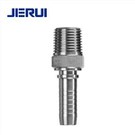
First off, let's quickly go over what BSP hose fittings are. BSP stands for British Standard Pipe, and these fittings are widely used in hydraulic and pneumatic systems. They come in different types, like Taper Male Inserts BSPT, BSP Male 60° Cone Seat, and 90° Female 60° Cone Inserts BSP. Each type has its own unique features and applications, but they all need to be installed correctly to work properly.
The Problem with Cross - Threading
Cross - threading happens when the threads of the fitting and the mating part don't align properly during installation. Instead of smoothly screwing together, the threads get forced at an angle, causing them to damage each other. Once cross - threading occurs, it can be really hard to fix. You might end up having to replace the fitting or even the whole component, which is a real pain in the neck.
Tips to Avoid Cross - Threading
1. Inspect the Threads
Before you start installing, take a close look at the threads of both the fitting and the mating part. Make sure they're clean and free from any debris, burrs, or damage. Even a small piece of dirt can cause cross - threading. If you notice any issues, use a thread chaser or a file to clean up the threads. This simple step can save you a lot of trouble down the line.
2. Start by Hand
Always start screwing the fitting onto the mating part by hand. This allows you to feel if the threads are aligning correctly. If you try to use a tool right away, you might force the fitting at an angle and cause cross - threading. Turn the fitting slowly and evenly until it starts to engage the threads smoothly. If you feel any resistance or if the fitting doesn't turn easily, stop immediately and check for alignment.
3. Use a Guide
For some fittings, especially those in tight spaces or hard - to - reach areas, using a guide can be really helpful. A guide can ensure that the fitting is aligned properly with the mating part before you start tightening. You can use a simple alignment tool or even a piece of scrap metal to help you position the fitting correctly.
4. Tighten Slowly and Evenly
Once the fitting is hand - tightened and the threads are aligned, you can start using a tool to tighten it further. But don't go crazy with the force! Tighten the fitting slowly and evenly, using a torque wrench if possible. This helps to prevent over - tightening, which can also lead to cross - threading and damage to the threads. Make sure to follow the manufacturer's recommended torque specifications for the fitting.
5. Check the Alignment Regularly
As you're tightening the fitting, stop every few turns and check the alignment. Make sure the fitting is still straight and that the threads are engaging properly. If you notice any signs of misalignment, like the fitting starting to tilt or the threads not turning smoothly, stop and correct the issue before continuing.


6. Use Thread Sealant Properly
Thread sealant can help to create a leak - tight seal and prevent cross - threading. But it's important to use it correctly. Apply the sealant evenly to the male threads, making sure to cover all the threads. Don't use too much sealant, as it can build up and cause the fitting to bind or cross - thread. Follow the instructions on the sealant product for the best results.
Training and Experience
Another important factor in avoiding cross - threading is having trained and experienced installers. Make sure your team knows how to properly install BSP hose fittings. Provide them with training on the correct installation procedures, including how to inspect the threads, start by hand, and use the right tools. Encourage them to ask questions and share their experiences to improve the overall installation process.
Conclusion
Cross - threading is a common problem when installing BSP hose fittings, but it doesn't have to be. By following these tips, you can significantly reduce the risk of cross - threading and ensure a successful installation. Remember to inspect the threads, start by hand, use a guide if needed, tighten slowly and evenly, check the alignment regularly, and use thread sealant properly.
If you're in the market for high - quality BSP hose fittings, we've got you covered. Our wide range of Taper Male Inserts BSPT, BSP Male 60° Cone Seat, and 90° Female 60° Cone Inserts BSP are designed to meet your needs. Contact us to start a purchase negotiation and let's work together to get the right fittings for your project.
References
- Hydraulic Fitting Installation Guide, Industry Standard Handbook
- BSP Fittings Manufacturer's Technical Manuals