




In the realm of hydraulic systems, hydraulic flanges play a pivotal role. They are crucial components that connect pipes, valves, and other parts in hydraulic setups, ensuring the smooth and efficient transfer of fluids under high pressure. However, one of the most significant challenges faced by these flanges is corrosion. Corrosion can lead to leaks, system failures, and increased maintenance costs. As a hydraulic flange supplier, I understand the importance of enhancing the corrosion resistance of these components. In this blog, I will share some effective strategies to achieve this goal.
Understanding Corrosion in Hydraulic Flanges
Before delving into the solutions, it's essential to understand the nature of corrosion in hydraulic flanges. Corrosion is a natural process that occurs when metals react with their environment. In the case of hydraulic flanges, factors such as the type of fluid being transported, the operating temperature, and the presence of contaminants can all contribute to corrosion. For example, if the hydraulic fluid contains water or aggressive chemicals, it can accelerate the corrosion process. Additionally, high temperatures can also increase the rate of corrosion by speeding up chemical reactions.
Material Selection
One of the most fundamental steps in improving the corrosion resistance of hydraulic flanges is selecting the right materials. Different metals have varying levels of resistance to corrosion. For instance, stainless steel is a popular choice for hydraulic flanges due to its excellent corrosion resistance. It contains chromium, which forms a passive oxide layer on the surface of the metal, protecting it from further corrosion. Other corrosion - resistant materials include aluminum alloys and titanium. Aluminum is lightweight and has good corrosion resistance in many environments, while titanium is highly resistant to corrosion even in harsh chemical conditions.
When choosing materials, it's also important to consider the specific requirements of the hydraulic system. For example, if the system operates in a marine environment, materials that are resistant to saltwater corrosion should be selected. Additionally, the mechanical properties of the material, such as strength and hardness, should be taken into account to ensure that the flange can withstand the operating pressures and loads.
Surface Treatment
Surface treatment is another effective way to enhance the corrosion resistance of hydraulic flanges. There are several surface treatment methods available, each with its own advantages.
Galvanizing
Galvanizing is a process of coating the flange with a layer of zinc. Zinc is more reactive than most metals, so when it comes into contact with an electrolyte (such as water or a corrosive fluid), it corrodes first, protecting the underlying metal. Galvanized flanges are commonly used in outdoor and industrial applications where corrosion is a concern.
Anodizing
Anodizing is a surface treatment method mainly used for aluminum flanges. It involves creating an oxide layer on the surface of the aluminum through an electrolytic process. The anodized layer is hard, durable, and provides excellent corrosion resistance. Anodizing can also improve the aesthetic appearance of the flange.
Painting
Painting is a simple and cost - effective way to protect hydraulic flanges from corrosion. A high - quality paint coating can act as a barrier between the metal and the corrosive environment. However, the paint must be properly applied and maintained to ensure its effectiveness. For example, the surface of the flange must be clean and free of contaminants before painting, and the paint should be resistant to abrasion and chemical attack.
Design Optimization
The design of the hydraulic flange can also have a significant impact on its corrosion resistance. Here are some design considerations:
Avoiding Crevices
Crevices can trap moisture and corrosive fluids, creating an environment where corrosion can occur. Therefore, the flange design should avoid creating crevices as much as possible. For example, the mating surfaces of the flange should be smooth and well - fitted to prevent the accumulation of fluids.
Drainage
Proper drainage is essential to prevent the accumulation of water or other corrosive fluids on the flange. Flanges should be designed with drainage holes or channels to allow fluids to drain away quickly.
Stress Reduction
High stress levels in the flange can accelerate corrosion. Therefore, the design should aim to reduce stress concentrations. This can be achieved by using appropriate fillets and radii at corners and edges, and by ensuring that the flange is properly supported.

Maintenance and Inspection
Regular maintenance and inspection are crucial for ensuring the long - term corrosion resistance of hydraulic flanges. Here are some maintenance practices:
Fluid Management
The quality of the hydraulic fluid should be monitored regularly. Contaminated fluids can cause corrosion, so the fluid should be filtered and changed at appropriate intervals. Additionally, the pH and water content of the fluid should be checked to ensure that they are within the acceptable range.
Inspection
Hydraulic flanges should be inspected regularly for signs of corrosion. Visual inspection can be used to detect surface corrosion, while non - destructive testing methods (such as ultrasonic testing or magnetic particle testing) can be used to detect internal corrosion. If corrosion is detected, appropriate measures should be taken immediately, such as repairing or replacing the flange.
Product Recommendations
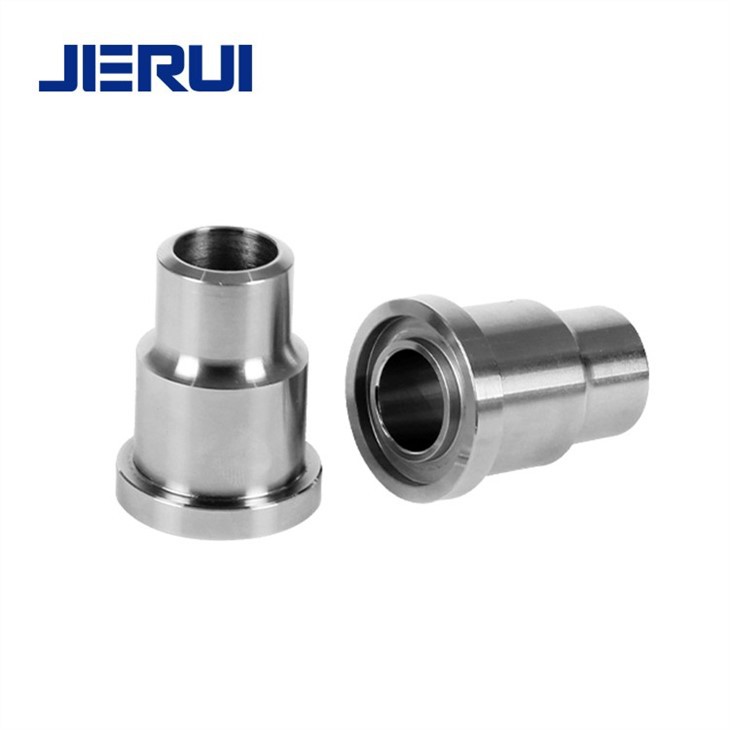
As a hydraulic flange supplier, I offer a wide range of high - quality flanges with excellent corrosion resistance. Our SAE Flange Welding Couplings are made from high - grade materials and are available with various surface treatments to meet different corrosion - resistance requirements. Our SAE Socket Weld Flange is designed with precision to ensure a tight seal and is highly resistant to corrosion. We also provide SAE Metric Threaded Flange that are suitable for a variety of hydraulic applications.
Conclusion
Improving the corrosion resistance of hydraulic flanges is a multi - faceted task that involves material selection, surface treatment, design optimization, and proper maintenance. By implementing these strategies, the service life of hydraulic flanges can be significantly extended, and the reliability of the hydraulic system can be improved. If you are looking for high - quality, corrosion - resistant hydraulic flanges, please feel free to contact us for more information and to discuss your specific requirements. We are committed to providing you with the best products and solutions for your hydraulic systems.
References
- Fontana, M. G. (1986). Corrosion Engineering. McGraw - Hill.
- Uhlig, H. H., & Revie, R. W. (1985). Corrosion and Corrosion Control. Wiley - Interscience.
- ASME B31.1 - 2016, Power Piping. American Society of Mechanical Engineers.