


Hey there! As a supplier of SAE 37° Flare Flanges, I often get asked about the markings on these flanges and what they actually mean. So, I thought I'd write this blog to break it all down for you.
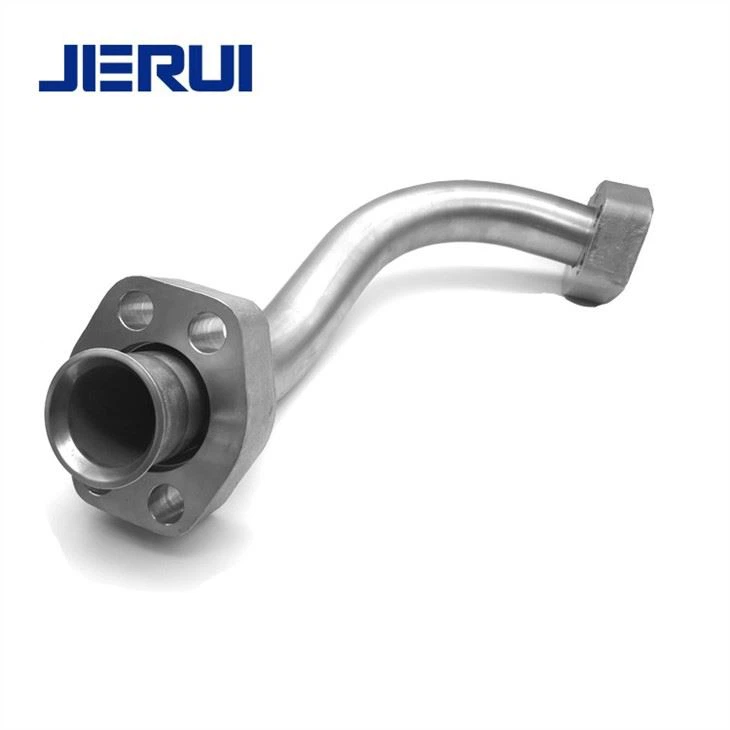
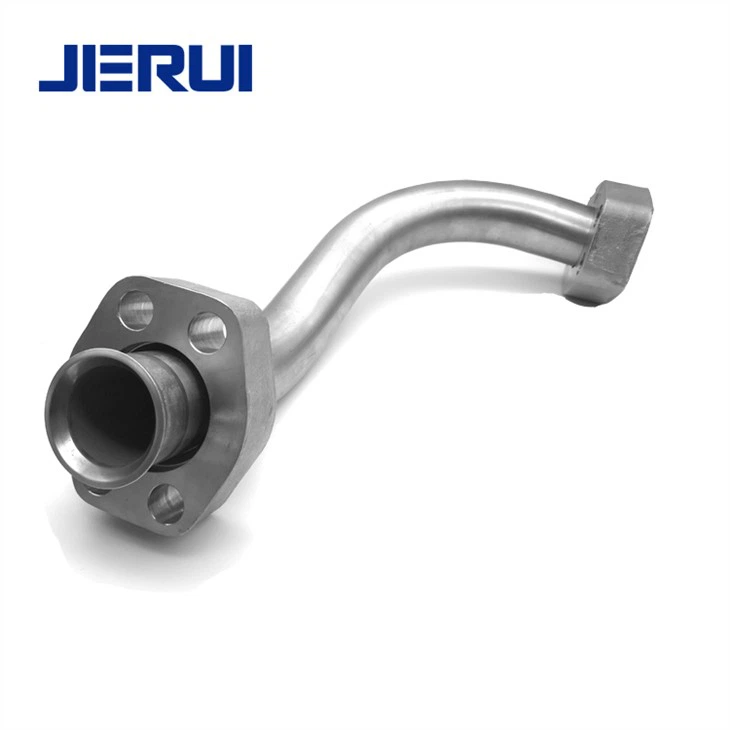
First off, let's talk a bit about what SAE 37° Flare Flanges are. These flanges are widely used in hydraulic systems. They're designed to create a reliable and leak - free connection between pipes, hoses, and other components. Their 37° flare angle is a standard specification that ensures a proper seal and connection.
Now, onto the markings. There are several types of markings you might see on SAE 37° Flare Flanges, and each one has its own significance.
Size Markings
One of the most common markings is related to the size of the flange. This is super important because it determines what kind of pipes or hoses the flange can be connected to. The size marking usually indicates the nominal diameter of the pipe or hose that the flange is designed to fit. For example, you might see a marking like “1/2” or “3/4”. These numbers refer to the diameter in inches. If you're dealing with metric systems, you could see markings like “12 mm” or “16 mm”.
It's crucial to get the size right. Using a flange with the wrong size can lead to all sorts of problems, like leaks or even system failures. So, when you're looking at these flanges, always double - check the size marking to make sure it's compatible with your system.
Pressure Rating Markings
Another important set of markings is for the pressure rating. Hydraulic systems operate under different pressures, and the flange needs to be able to handle the pressure without failing. The pressure rating marking tells you the maximum pressure that the flange can safely withstand.
You might see markings like “1500 psi” or “3000 psi”. “psi” stands for “pounds per square inch”, which is a common unit for measuring pressure in the hydraulic industry. If your system operates at a high pressure, you need to make sure the flange has a pressure rating that can handle it. Using a flange with a lower pressure rating than your system requires is a recipe for disaster.
Material Markings
The material that the flange is made of also matters a great deal. Different materials have different properties, such as strength, corrosion resistance, and durability. The material marking on the flange tells you what it's made of.
Common materials for SAE 37° Flare Flanges include steel, stainless steel, and aluminum. A marking like “SS” might indicate that the flange is made of stainless steel, which is known for its corrosion - resistant properties. If you're working in an environment where corrosion is a concern, like in a marine or chemical - processing setting, a stainless - steel flange would be a good choice.
Manufacturer Markings
You'll often find markings that identify the manufacturer of the flange. This can be a logo, a brand name, or a specific code. Manufacturer markings are important for a few reasons. First, they give you an idea of the quality of the product. Reputable manufacturers usually have a good track record of producing high - quality flanges. Second, if you have any questions or need support for the flange, you can easily identify the manufacturer and contact them.
Standard Markings
SAE 37° Flare Flanges are manufactured according to certain standards. These standards ensure that the flanges are of a consistent quality and meet the requirements of the industry. You might see markings like “SAE J514” on the flange. This indicates that the flange is manufactured in accordance with the SAE J514 standard, which specifies the dimensions, materials, and performance requirements for 37° flare fittings and flanges.
Compliance with standards is crucial because it means that the flange has been tested and verified to meet certain criteria. When you're purchasing flanges, always look for these standard markings to ensure that you're getting a reliable product.
Additional Markings
Sometimes, you might see other markings on the flange that provide extra information. For example, there could be markings indicating the date of manufacture, a batch number, or special features of the flange. While these markings might not be as critical as the size, pressure rating, or material markings, they can still be useful. The date of manufacture can give you an idea of how old the flange is, and the batch number can be helpful if there are any quality - control issues and you need to trace the product back to its source.
Now, let's talk about how these markings compare to other types of flare flanges. For instance, the ISO 6164 Flare Flange Flat and the SAE 37° Flare Flange Flat have some similarities and differences in their markings.
The ISO 6164 standard is more commonly used in Europe and other parts of the world, while the SAE standard is widely used in the United States. The size markings for ISO flanges are usually in metric units, while SAE flanges use imperial units. However, both standards have markings for pressure rating, material, and compliance.
If you're in the market for Flared Flanges, understanding these markings is essential. It helps you make an informed decision about which flange is the right one for your hydraulic system.
As a supplier of SAE 37° Flare Flanges, I know how important it is to have the right product for your needs. We offer a wide range of flanges with clear and accurate markings. Whether you need a small - sized flange for a low - pressure system or a large - sized, high - pressure flange for an industrial application, we've got you covered.
If you're interested in purchasing SAE 37° Flare Flanges or have any questions about the markings or the products themselves, don't hesitate to reach out. We're here to help you find the perfect flanges for your hydraulic system.
References
- Hydraulic Fittings Handbook
- SAE J514 Standard Documentation
- ISO 6164 Standard Documentation