


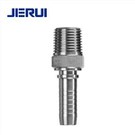


Hey there! As a supplier of SAE Socket Weld Flange, I often get asked about the abrasive resistance of these flanges. So, I thought I'd take a moment to break it down for you and explain what it means, why it matters, and how it affects the performance of SAE Socket Weld Flanges.
What is Abrasive Resistance?
Let's start with the basics. Abrasive resistance is the ability of a material to withstand wear and tear caused by friction, rubbing, or scraping against other surfaces. In the context of SAE Socket Weld Flanges, this means how well the flange can hold up when it comes into contact with abrasive substances like sand, dirt, or other rough materials.


Think about it like this: If you've got a flange in a hydraulic system that's constantly exposed to particles in the fluid, those particles are going to rub against the flange's surface. Over time, this can cause the surface to wear down, leading to leaks, reduced performance, and even complete failure of the flange. That's where abrasive resistance comes in. A flange with high abrasive resistance will be able to handle this kind of wear and tear much better than one with low resistance.
Why is Abrasive Resistance Important for SAE Socket Weld Flanges?
SAE Socket Weld Flanges are used in a wide range of applications, from hydraulic systems in heavy machinery to industrial piping systems. In many of these applications, the flanges are exposed to harsh environments and abrasive materials. For example, in mining equipment, the hydraulic systems are often filled with dirt and debris that can quickly wear down the flanges if they're not resistant to abrasion.
Here are a few key reasons why abrasive resistance is so important for SAE Socket Weld Flanges:
- Longevity: A flange with good abrasive resistance will last longer. This means you won't have to replace the flanges as often, which can save you time and money in the long run.
- Reliability: When a flange is resistant to abrasion, it's less likely to develop leaks or other problems. This makes the entire system more reliable and reduces the risk of downtime due to flange failure.
- Performance: Abrasion can cause the surface of the flange to become rough, which can affect the flow of fluid through the system. A flange with high abrasive resistance will maintain a smooth surface, ensuring optimal performance of the hydraulic or piping system.
Factors Affecting the Abrasive Resistance of SAE Socket Weld Flanges
Several factors can influence the abrasive resistance of SAE Socket Weld Flanges. Let's take a look at some of the most important ones:
- Material: The type of material used to make the flange is one of the biggest factors. For example, flanges made from stainless steel are generally more resistant to abrasion than those made from carbon steel. Stainless steel contains chromium, which forms a protective oxide layer on the surface of the material, making it more resistant to wear and corrosion.
- Surface Finish: The surface finish of the flange also plays a role. A smooth surface finish will be less likely to catch abrasive particles and will therefore be more resistant to wear. Flanges can be polished or coated to improve their surface finish and increase their abrasive resistance.
- Hardness: Harder materials are generally more resistant to abrasion. However, it's important to find the right balance, as a material that's too hard can be brittle and prone to cracking. Heat treatment can be used to increase the hardness of the flange without sacrificing its toughness.
How to Improve the Abrasive Resistance of SAE Socket Weld Flanges
As a supplier, we take several steps to ensure that our SAE Socket Weld Flanges have high abrasive resistance. Here are some of the methods we use:
- Material Selection: We carefully choose the materials for our flanges based on their abrasive resistance properties. We often use high-quality stainless steel or other alloys that are known for their durability and resistance to wear.
- Surface Treatments: We apply various surface treatments to our flanges to improve their abrasive resistance. This can include coatings such as chrome plating or nitriding, which create a hard, wear-resistant layer on the surface of the flange.
- Quality Control: We have strict quality control measures in place to ensure that each flange meets our high standards for abrasive resistance. This includes testing the flanges under simulated abrasive conditions to verify their performance.
Comparing SAE Socket Weld Flanges with Other Types of Flanges
It's also worth comparing SAE Socket Weld Flanges with other types of flanges in terms of abrasive resistance. For example, SAE Metric Threaded Flanges and ISO 6164 Square Flanges are also commonly used in hydraulic and piping systems.
SAE Socket Weld Flanges are generally known for their good abrasive resistance due to their design and the materials used. The socket weld connection provides a strong, reliable joint that can withstand the forces and wear associated with abrasive environments. In comparison, SAE Metric Threaded Flanges rely on a threaded connection, which can be more prone to wear and loosening over time, especially in abrasive conditions. ISO 6164 Square Flanges are often used in high-pressure applications, and while they can have good abrasive resistance, their square shape may make them more difficult to clean and maintain in abrasive environments.
Conclusion
In conclusion, the abrasive resistance of SAE Socket Weld Flanges is a crucial factor that affects their performance, longevity, and reliability. By understanding what abrasive resistance is, why it's important, and how it can be improved, you can make more informed decisions when choosing flanges for your hydraulic or piping systems.
If you're in the market for high-quality SAE Socket Weld Flanges with excellent abrasive resistance, we'd love to hear from you. We're a trusted supplier with years of experience in the industry, and we're committed to providing our customers with the best products and service. Whether you have questions about our flanges or need help selecting the right ones for your application, feel free to reach out to us. We're here to assist you every step of the way.
References
- ASTM International Standards for Flanges
- Hydraulic Institute Guidelines on Flange Performance
- Manufacturer's Specifications for SAE Socket Weld Flanges