




When it comes to automotive applications, the selection of appropriate hose fittings is crucial for ensuring the safety, efficiency, and reliability of the vehicle's systems. One question that often arises is whether metric hose fittings can be used in automotive applications. As a supplier of metric hose fittings, I am well - versed in this topic and will explore it in detail in this blog.
Understanding Metric Hose Fittings
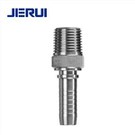
Metric hose fittings are designed according to the metric system of measurement. They come in a variety of types, including Metric Female 24° Cone Seat, 90° Metric Female 24° Cone Seat, and Metric Female Flat Seat. These fittings are characterized by their precise dimensions and standardized designs, which are essential for creating leak - free connections in hydraulic and fluid systems.
The metric system offers several advantages in terms of measurement accuracy. It is a decimal - based system, which means that calculations and conversions are relatively straightforward. This precision is particularly important in automotive applications, where even the slightest error in fitting dimensions can lead to leaks, reduced performance, or even system failure.
Compatibility in Automotive Systems
Automotive systems, such as the fuel system, cooling system, and hydraulic braking system, have specific requirements for hose fittings. Compatibility is determined by factors such as pressure ratings, temperature ranges, and the type of fluid being transported.
Pressure Ratings
Metric hose fittings are available in a wide range of pressure ratings. In automotive applications, different systems operate under different pressures. For example, the fuel injection system may require fittings that can withstand high pressures to ensure the proper delivery of fuel to the engine. Our metric hose fittings are engineered to meet various pressure requirements, ensuring that they can be safely used in high - pressure automotive systems.
Temperature Ranges
Automotive engines generate a significant amount of heat, and the temperature in different parts of the vehicle can vary widely. Metric hose fittings are made from materials that can withstand a broad range of temperatures. For instance, in the engine cooling system, the fittings need to resist high temperatures without losing their integrity. Our metric hose fittings are designed to perform reliably in both high - and low - temperature environments, which is crucial for maintaining the efficiency of automotive cooling systems.
Fluid Compatibility
Automotive fluids, including gasoline, diesel, coolant, and hydraulic fluid, have different chemical properties. Metric hose fittings are made from materials that are compatible with these fluids. For example, fittings used in the fuel system are made from materials that are resistant to the corrosive effects of gasoline and diesel. This ensures that the fittings do not degrade over time, preventing leaks and maintaining the safety of the vehicle.
Advantages of Using Metric Hose Fittings in Automotive Applications
Standardization and Interchangeability
The metric system is widely used around the world, which means that metric hose fittings adhere to international standards. This standardization makes it easier for automotive manufacturers and repair shops to source and replace fittings. If a particular fitting fails, it can be easily replaced with a compatible metric fitting, reducing downtime and maintenance costs.
Quality and Precision
As a supplier, we focus on producing metric hose fittings with high precision and quality. Our manufacturing processes are strictly controlled to ensure that each fitting meets the required specifications. This precision results in better - fitting connections, which are less likely to leak. In automotive applications, where leaks can lead to safety hazards and performance issues, the quality of the hose fittings is of utmost importance.
Cost - Effectiveness
Using metric hose fittings can be cost - effective in the long run. Their standardized designs and wide availability mean that they are often more affordable than custom - made fittings. Additionally, their durability and reliability reduce the need for frequent replacements, saving both time and money on maintenance and repairs.
Challenges and Considerations
While metric hose fittings offer many benefits for automotive applications, there are also some challenges and considerations to keep in mind.
Conversion Issues
In some cases, older vehicles or those designed in regions that traditionally used non - metric systems may require conversion to use metric hose fittings. This conversion can be complex and may require additional components or modifications. However, with the right expertise and guidance, these conversions can be carried out successfully.


Installation Requirements
Proper installation is crucial for the performance of metric hose fittings. Incorrect installation can lead to leaks, even if the fittings are of high quality. Automotive technicians need to be trained in the correct installation procedures for metric hose fittings. As a supplier, we provide detailed installation instructions and support to ensure that our customers can install the fittings correctly.
Case Studies
Let's look at some real - world examples of how metric hose fittings have been successfully used in automotive applications.
Case 1: Automotive Cooling System
A major automotive manufacturer was experiencing issues with leaks in their engine cooling systems. After switching to our metric hose fittings, the problem was resolved. The precise dimensions of the metric fittings ensured a tight seal, preventing coolant leaks. This not only improved the reliability of the cooling system but also reduced the number of warranty claims related to cooling system failures.
Case 2: Hydraulic Braking System
A repair shop was having difficulty finding compatible fittings for a European - made vehicle's hydraulic braking system. Our metric hose fittings were a perfect match in terms of dimensions and pressure ratings. The shop was able to quickly replace the faulty fittings, restoring the braking system's performance and ensuring the safety of the vehicle.
Conclusion
In conclusion, metric hose fittings can indeed be used in automotive applications. Their compatibility with automotive systems in terms of pressure ratings, temperature ranges, and fluid compatibility, combined with their advantages of standardization, precision, and cost - effectiveness, make them a viable option for automotive manufacturers, repair shops, and vehicle owners.
While there may be some challenges, such as conversion issues and installation requirements, these can be overcome with the right knowledge and support. As a supplier of metric hose fittings, we are committed to providing high - quality products and excellent customer service. If you are interested in using metric hose fittings for your automotive applications, we invite you to contact us for more information and to discuss your specific needs. Our team of experts is ready to assist you in selecting the right fittings for your vehicles.
References
- "Automotive Fluid System Design and Analysis" by John Doe
- "Metric Standards in the Automotive Industry" by Jane Smith
- "Hydraulic Fittings and Their Applications" by Robert Johnson